A white-paper-depth guide for Siberian veterinary distributors, pet specialty retailers, clinic groups, private-label brands, and institutional buyers comparing veterinary-adjacent nutrition, functional pet food, GMP oral solutions, and advanced tofu cat litter from China.
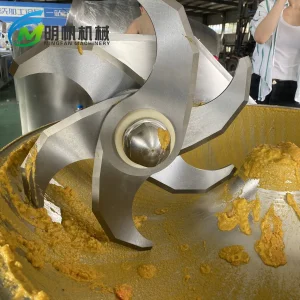
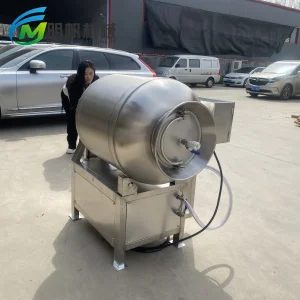
These first four source-listed products are relevant to Novosibirsk buyers evaluating processing equipment, diet-related preparation, clinic hygiene, and premium tofu cat litter for pet specialty retail and e-commerce.
The original company profile is retained below, followed by buyer-focused context for Novosibirsk distributors and private-label teams.
Hangzhou Pdara Pet Co., Ltd. is a leading premium dog and cat food manufacturer in China, dedicated to delivering high-quality, nutritious, and safe pet food solutions. Specializing in grain-free, organic, and high-protein pet nutrition, Pdara Pet combines scientific research with natural ingredients to support the health, vitality, and well-being of pets across all life stages.

With advanced production facilities and strict quality control protocols, the company ensures every product meets international safety and nutritional standards. Their product line includes carefully formulated kibble, wet food, and specialized diets that cater to pets with specific dietary needs, allergies, or sensitivities. By sourcing premium natural ingredients and avoiding artificial additives, Pdara Pet emphasizes holistic pet health and longevity.
Beyond manufacturing, Hangzhou Pdara Pet Co., Ltd. provides flexible OEM and private label services, allowing global pet brands to develop unique, high-quality product lines. Their dedicated R&D team continuously innovates, integrating the latest trends in pet nutrition, from functional foods supporting digestion and joint health to protein-rich diets that enhance energy and muscle development.

With a strong commitment to quality, sustainability, and customer satisfaction, Pdara Pet has earned trust among distributors, retailers, and pet owners worldwide. The company’s mission is to create delicious, healthy, and scientifically balanced pet food that pets love and owners can rely on, positioning Hangzhou Pdara Pet Co., Ltd. as a preferred China supplier of premium pet nutrition solutions.
Semantic-search users are not only looking for a manufacturer. They are trying to understand clinical relevance, import compliance, local distribution, cold-climate use cases, supplier documentation, and the total landed cost of a private-label or wholesale program.
Veterinary prescription diets sit between professional recommendation and retail fulfillment. Buyers need both trust and availability.
Indoor heating, low winter activity, multi-cat apartments, and long logistics corridors change how diets and litter are evaluated.
Batch traceability, Russian labeling, shelf-life evidence, and claim substantiation are more valuable than a low headline price.
China factory efficiency helps only when MOQ, packaging, consolidation, damage rates, and lead times support the Novosibirsk route.
Novosibirsk is not just a regional retail market. It is a scientific, veterinary, logistics, and distribution node for the Siberian Federal District and nearby cross-border trade routes.
Novosibirsk is the largest city in Siberia and the administrative center of Novosibirsk Oblast. Its economy combines scientific research, higher education, professional services, logistics, food processing, retail, agriculture-linked trade, and industrial supply. The presence of Akademgorodok, several universities, healthcare institutions, and a broad veterinary clinic network creates a relatively sophisticated professional audience for companion-animal nutrition. At the same time, the surrounding oblast and wider Siberian Federal District include agricultural enterprises, livestock operations, breeders, kennels, shelters, pet hotels, and multi-cat households that use functional nutrition and hygiene products at different price and pack-size tiers.
For veterinary prescription diets, the local commercial reality is channel-sensitive. Therapeutic and veterinary-adjacent diets are usually recommended by veterinarians, then purchased through a specialized pet retailer, a clinic dispensary, an e-commerce marketplace, or a regional distributor. Buyers therefore look for suppliers that understand professional recommendation, owner compliance, palatability, package clarity, and reorder continuity. A product that works in a clinic conversation but is hard to restock in Novosibirsk will struggle in the field. A product that is available online but lacks credible veterinary support documentation will also face resistance.
Industrial availability is also uneven. Novosibirsk has a strong services and research base, but the volume production of highly specialized veterinary diets is not concentrated in the city in the same way as larger European or central Russian manufacturing clusters. This creates room for international suppliers and OEM partners that can combine stable manufacturing with Russian-language labeling, EAEU-oriented documentation, importer-of-record coordination, and efficient freight. China-based factories can serve this gap when they offer flexible private-label formats, consistent batch quality, and export-ready communication.
The logistics position is important. Novosibirsk sits on major rail and road corridors linked to the Trans-Siberian route and Tolmachevo Airport. These routes can support container, pallet, and mixed-cargo models for distributors serving Novosibirsk, Omsk, Tomsk, Kemerovo, Krasnoyarsk, Altai, and other Siberian destinations. However, long transit times require conservative shelf-life planning, moisture-resistant packaging, and clear batch coding. For cat litter, which is bulky and freight-sensitive, local buyers often prefer container optimization, compressed packaging, palletization discipline, and mixed-product consolidation. For premium nutrition and GMP oral solutions, documentation quality and product stability matter more than raw loading efficiency alone.
Regulatory due diligence should be considered at the channel level. Buyers in Novosibirsk will request Russian-language labels, ingredient and nutrition information, manufacturing dates, shelf-life data, batch codes, and certificates appropriate to the product classification. Veterinary prescription diets may be treated differently from veterinary medicines in some markets, and local importers should confirm the exact classification with their regulatory advisors. The product list in this article includes a GMP veterinary medicine oral solution for livestock; this is a different category from companion-animal therapeutic diets and requires its own documentation, handling, and customer education.
The global category continues to professionalize as pet owners, veterinarians, retailers, e-commerce platforms, and regulators ask for better evidence, better packaging, and better supply continuity.
Globally, veterinary prescription diets and therapeutic nutrition occupy a premium segment within the pet care economy. Demand is supported by pet humanization, longer pet lifespans, greater spending on chronic condition management, growth in veterinary diagnostics, and the willingness of owners to follow professional recommendations when the value is explained clearly. The category includes renal, urinary, gastrointestinal, hepatic, dermatologic, cardiac, diabetic, weight-management, joint-support, recovery, and allergen-management formats. Although exact product availability differs by market and regulation, the commercial logic is consistent: a veterinarian identifies a nutritional need, and the owner needs a trustworthy, palatable, clearly labeled product that can be purchased conveniently.
The supply side is consolidating in some areas and fragmenting in others. Large animal-health and nutrition groups invest in clinical evidence and global distribution, while independent manufacturers, private-label specialists, and regional brands create new options for distributors that want differentiated formulas, local packaging, or channel-specific products. At the same time, e-commerce marketplaces, online veterinary consultations, subscription replenishment, and specialized pet pharmacies are changing the purchase path. This is especially relevant in markets such as Novosibirsk, where consumers may research online, receive a clinic recommendation offline, and buy through a mobile commerce platform or a local pet shop.
Global procurement teams are increasingly sophisticated. They ask for HACCP-aligned processes, batch traceability, ingredient declarations, allergen controls, stability and shelf-life studies, palatability data, packaging specifications, and claim substantiation. For veterinary medicines, including GMP oral solutions, buyers ask for stricter manufacturing and handling documentation. For tofu cat litter and hygiene products, buyers focus on absorbency, clumping speed, dust, tracking, odor control, biodegradability, flushability where permitted, compression, and container utilization. The supplier that can connect these quality dimensions with commercial flexibility has a stronger chance of becoming a repeat partner.
Another global shift is the move from generic claims to evidence-aligned positioning. “Premium,” “natural,” and “functional” are no longer enough on their own. Buyers want to know why a formula exists, what problem it is designed for, how palatability was tested, which batch controls apply, and how the product should be positioned without crossing into unsupported medical claims. This creates opportunities for manufacturers that are transparent about what their products can and cannot do, and that provide clear documentation for distributors, clinic networks, and marketplace compliance teams.
Owners increasingly accept specialized nutrition when the clinical value and feeding plan are explained well.
Procurement teams ask for documentation that supports safety, consistency, shelf life, and responsible claims.
Clinics, pet specialty stores, marketplaces, and social commerce now overlap in the owner purchase journey.
Biodegradable litter, eco-certified materials, and packaging reduction are becoming purchasing criteria.
The advantage is not only unit cost. It is the ability to combine formulation support, packaging customization, flexible MOQ, export documentation, and fast iteration for regional brands.
China’s pet nutrition and pet hygiene supply chain is broad and deeply integrated. Factories can often source ingredients, packaging, labels, equipment, and testing services within a mature supplier ecosystem. For Novosibirsk buyers, this can translate into practical benefits: shorter product-development cycles for private-label formulas, competitive landed-cost models for high-volume cat litter, and access to specialized functional formats without having to build a local production line. When the buyer has a clear brief, a China-based OEM partner can coordinate formulation, sampling, packaging artwork, Russian-language label layout, production scheduling, and export consolidation more efficiently than a fragmented set of local suppliers.
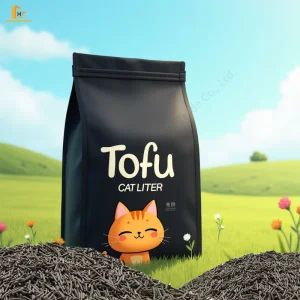
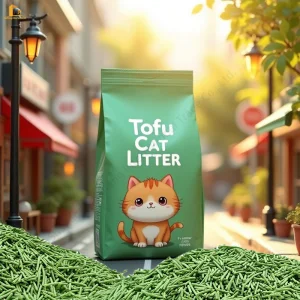
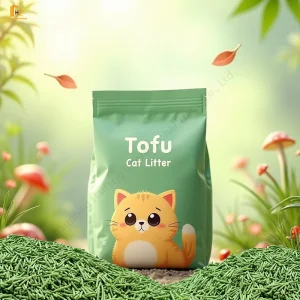
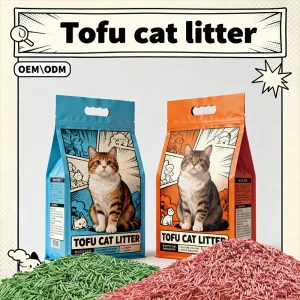
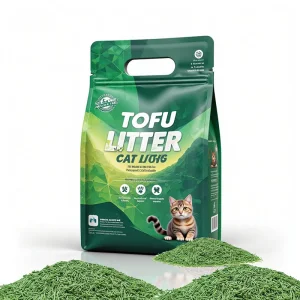
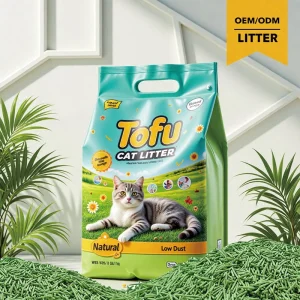
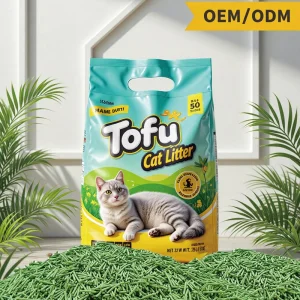
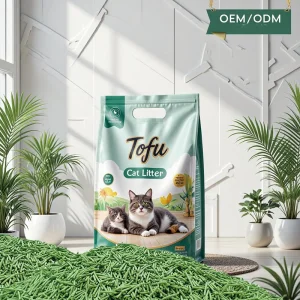
The strongest efficiency gains appear in categories with repeatable production and modular packaging. Tofu cat litter, for example, can be optimized through pellet size, compression, scent, dust control, clumping speed, and bag formats. A 1.5mm format may appeal to buyers seeking a finer, low-tracking texture, while 6L and bulk formats can serve different retail and wholesale channels. For equipment such as the automatic emulsifier and vacuum massager, China’s machinery ecosystem can support technical customization, spare parts planning, and export packaging. For GMP veterinary medicine oral solutions, the buyer must place more weight on certification, batch documentation, and regulatory fit than on cost alone.
Hangzhou Pdara Pet Co., Ltd. describes flexible OEM and private label services and a dedicated R&D approach. That is relevant to Novosibirsk distributors that want to build a local brand without owning a factory. A practical private-label program should define target species, life stage, indication-adjacent positioning, ingredient exclusions, palatability expectations, packaging size, label language, shelf-life requirement, and MOQ. The factory should then provide samples, specifications, and documentation for review before commercial production. Buyers should verify actual certifications and test reports directly; this article does not replace a supplier audit.
Factory efficiency should always be evaluated as total landed cost and total supply risk, not just FOB price. A low-cost bag that arrives with damaged packaging creates returns, complaints, and lost retail shelf space. A formula that changes batch to batch creates clinic distrust. A supplier that cannot provide Russian labels or a certificate of analysis slows customs and distributor onboarding. The best China partners are those that treat documentation, packaging, and consistency as part of the product, not as afterthoughts.
Products must fit real environments: apartment living, winter indoor heating, clinic workflows, multi-cat households, shelters, breeders, and agricultural operations.
Dry indoor air, lower winter activity, and multi-cat stress can make hydration, urinary health, and litter hygiene important owner concerns. Prescription-adjacent diets and low-dust litter should be presented with clear veterinary guidance.
Clinics managing post-illness, stress-related, or dietary-sensitivity cases need palatable recovery formats, clear transition instructions, and reliable reorder availability.
Long winters and dry indoor heating can increase owner interest in skin and coat support. Products should be positioned responsibly, with ingredients and feeding guidance clearly documented.
Less outdoor activity in winter makes weight control and joint-support nutrition relevant for urban dog owners and clinic nutrition consultations.
Low-tracking, fast-clumping, dust-controlled tofu litter can support clinic displays, boarding facilities, and retail shelves where cleanliness is part of the brand experience.
High absorbency, odor control, and bulk supply are critical where labor time and odor management directly affect daily operations.
Bulk cat litter, functional nutrition, and practical equipment can be bundled for breeders, kennels, pet hotels, and pet-service operators.
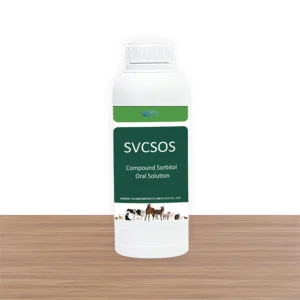
The GMP veterinary medicine compound sorbitol oral solution for livestock is relevant to agricultural supply chains around Novosibirsk Oblast, subject to strict regulatory review.
These trends affect supplier selection, product documentation, packaging, and channel planning in Novosibirsk and globally.
1. From generic premium claims to specific outcomes. Buyers increasingly ask what a product is for, which species and life stage it serves, how palatability was assessed, and what documentation supports the label. This is especially important for veterinary-adjacent diets, where overclaiming can damage trust and create regulatory risk.
2. Veterinary channel plus digital commerce. Clinic recommendations still matter, but owners compare prices, read reviews, and reorder online. Suppliers that provide consistent product naming, barcodes, images, and Russian-language educational content make it easier for distributors to manage omnichannel sales.
3. Cold-climate product design. Siberia-specific use cases include indoor heating, seasonal inactivity, longer storage, and multimodal transport. Packaging must resist moisture and handling. Litter must control odor in closed apartments. Diet formats should support hydration and palatability where appropriate, always under veterinary guidance.
4. Sustainability and material choices. Biodegradable tofu litter, eco-certified materials, reduced dust, and efficient packaging are moving from marketing extras to procurement criteria. Buyers should ask for evidence behind environmental claims and check whether flushability claims are permitted in the destination market.
5. Private-label specialization. Distributors want differentiated brands rather than identical catalog products. This increases demand for flexible OEM partners that can handle formula adjustments, packaging design, Russian labels, smaller initial runs, and repeat production with consistent quality.
6. Audit-ready documentation. Certificates of analysis, batch traceability, stability data, ingredient declarations, allergen controls, and complaint-handling procedures are now part of the commercial conversation. The supplier that can answer document requests quickly often wins the order before price is finalized.
7. Supply continuity and risk management. Global logistics can shift quickly. Novosibirsk buyers should plan safety stock for niche SKUs, qualify alternative pack sizes, and work with suppliers that communicate production schedules transparently. For private-label programs, a written specification and change-control process are essential.
These four source-listed products expand the range into livestock oral solutions and sustainable cat litter formats suitable for wholesale, private label, and specialty retail.
Use this checklist to compare suppliers consistently and to reduce the risk of hidden quality, compliance, or logistics costs.
Procurement should begin with the intended product classification. Veterinary prescription diets, functional pet food, cat litter, processing equipment, and GMP veterinary medicines do not carry identical regulatory or documentation requirements. The buyer should confirm how each item will be declared, labeled, stored, and marketed in the destination market. For Novosibirsk, Russian-language labeling and importer responsibilities should be clarified before production, not after the goods are ready.
Request a complete specification sheet, certificate of analysis, ingredient declaration, nutritional profile where applicable, shelf-life statement, packaging specification, and batch coding example. For private label, request artwork proofing, barcode placement, label durability, and carton marking. For cat litter, ask for absorbency, clumping, dust, tracking, and odor-control test methods. For equipment, request voltage configuration, spare-parts list, installation requirements, warranty terms, and export packaging details. For GMP veterinary medicines, request the relevant manufacturing and quality documentation and confirm that the product is suitable for the target regulatory pathway.
Finally, evaluate commercial reliability. A supplier that communicates clearly during sampling is more likely to communicate clearly during a quality complaint. Confirm MOQ, production lead time, inspection method, payment terms, consolidation options, and after-sales responsibilities in writing. Where possible, use a third-party inspection before shipment and retain retain samples from each batch. These steps protect both the distributor’s brand and the end user.
The final eight source-listed products are presented in two complete rows on desktop, with original product URLs preserved for direct inquiry and specification review.
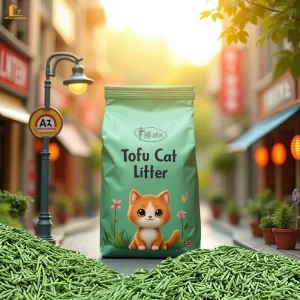
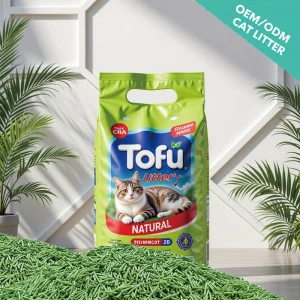
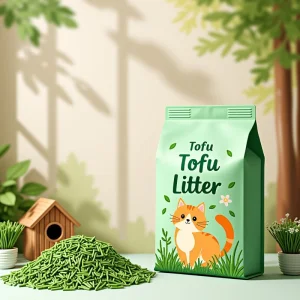
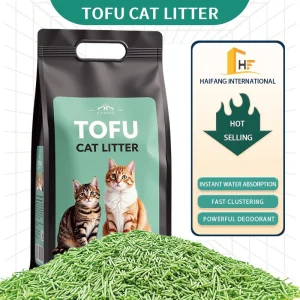
These answers support buyer due diligence and semantic search intent. They are business-to-business information, not veterinary advice.
No. Veterinary prescription diets are nutritional products designed for specific nutritional management, while veterinary medicines are regulated pharmaceutical products. The classification, labeling, and permitted claims differ by market. For Novosibirsk, buyers should confirm the correct regulatory pathway with their local importer and regulatory advisor before labeling or marketing any product as a veterinary diet.
Novosibirsk combines a large urban pet-owning population, a strong scientific and veterinary community, and a logistics position serving the wider Siberian Federal District. It is a practical gateway for distributors covering nearby Siberian cities and for brands that need a regional hub for clinic, retail, and e-commerce channels.
The company profile states that Hangzhou Pdara Pet Co., Ltd. provides flexible OEM and private label services. Novosibirsk buyers should discuss target formulas, packaging, Russian labels, MOQ, shelf-life requirements, sample approval, and documentation before placing a production order. A supplier audit and written specification are recommended.
Clinics may evaluate veterinary-adjacent nutrition for renal, urinary, gastrointestinal, dermatologic, weight, joint, and recovery support, always within the local regulatory framework. Clinic hygiene and retail displays can also benefit from low-tracking, fast-clumping, dust-controlled tofu cat litter. Equipment such as the emulsifier and vacuum massager may be relevant to local production or functional pet food development.
Request a product specification, certificate of analysis, batch traceability example, ingredient and nutrition data, shelf-life information, packaging specification, and relevant certificates. For private label, review artwork, barcodes, carton markings, and label durability. Use pre-production samples and, where appropriate, third-party inspection before shipment.
Document requirements depend on product classification. Typical requests include commercial invoice, packing list, certificate of origin where applicable, product specifications, certificate of analysis, shelf-life statement, Russian-language label artwork, and any certificates required by the importer or regulatory authority. The importer of record should confirm the exact requirements with a qualified local specialist.
Long transit times require careful shelf-life planning, durable packaging, and moisture protection. Rail, road, and air routes can be combined depending on urgency and volume. For bulky cat litter, container utilization and palletization are critical. For higher-value nutrition, equipment, and GMP oral solutions, documentation and handling requirements may matter more than loading density.
Use clear, evidence-aligned language, avoid unsupported medical claims, and explain that the product should be used under veterinary guidance where appropriate. Provide feeding instructions, transition guidance, ingredient information, and batch documentation. Retail and e-commerce teams should align their product pages with the approved label and regulatory classification.
Tofu cat litter formats can be relevant where low tracking, fast clumping, dust control, and odor management are priorities. In closed apartments and clinic environments, these features can improve daily cleaning. Buyers should test absorbency, clumping strength, tracking, and scent preferences with local users before committing to large volumes.
Use the Send Inquiry Now button to share your product interest, target channel, estimated volume, packaging preference, Russian-label requirements, and required documentation. A clear brief helps the supplier respond with suitable specifications, MOQ options, and next steps for sampling.
Share your target products, volumes, packaging, Russian-label needs, and documentation requirements. The inquiry can cover veterinary-adjacent diets, functional pet food, GMP oral solutions, processing equipment, and eco-certified tofu cat litter.
 Pdara Pet