A procurement-focused guide to baked dog treats, functional pet nutrition, OEM/ODM development, localization support, compliance readiness, and export-ready supply from Hangzhou Pdara Pet Co., Ltd.
Wholesale Product Showcase
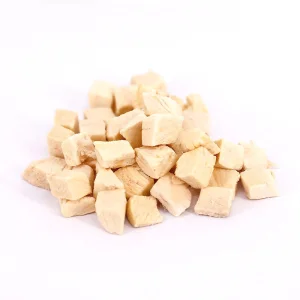
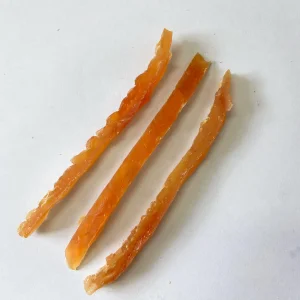
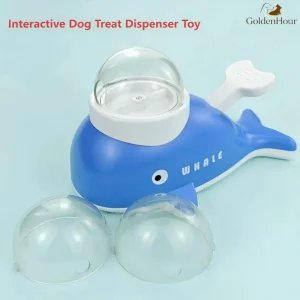
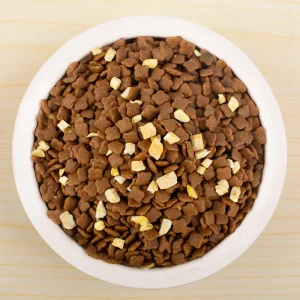
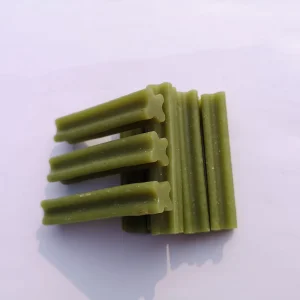
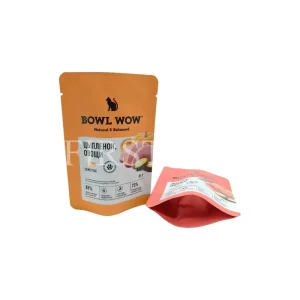
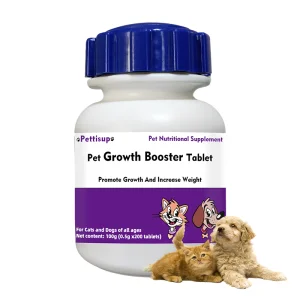
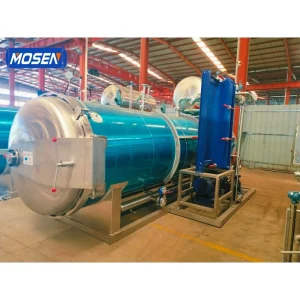
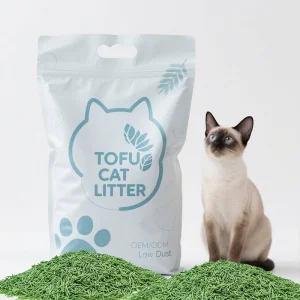
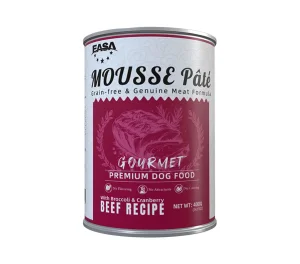
This first product gallery preserves the original linked product URLs and images while presenting the range in a responsive B2B showcase. The portfolio includes freeze-dried foods, dental chews, wet food, functional supplements, pet accessories, and complementary manufacturing supplies. For buyers developing a baked dog treats program, these references provide useful signals for packaging style, positioning, product naming, and OEM/ODM fit across a broader pet nutrition portfolio.
Executive Summary
Baked dog treats are no longer a fringe reward category. In mature pet markets, they sit at the intersection of three buyer intents: premium nutrition, everyday wellness, and visible product differentiation. Pet owners increasingly read ingredient panels, compare protein sources, ask about functional benefits, and expect a treat to deliver more than calories. Retail buyers, distributors, and private-label teams respond by looking for suppliers that can combine appealing texture and aroma with repeatable food-safety discipline, shelf-life control, and market-specific labeling.
For global buyers, the China sourcing opportunity is not simply a lower unit cost. It is access to flexible formulation, scalable production, packaging localization, and a supplier that can translate a nutritional concept into repeatable batches. A baked treat program is also a three-layer system: formula architecture, process control, and market-specific compliance. When one layer is weak, launch delays, label rework, texture inconsistency, or stability failures usually follow. This is the practical information gain that should shape a wholesale RFQ: do not ask only for a product photo; ask for the evidence behind the product.
As a premium dog and cat food manufacturer in China, Hangzhou Pdara Pet Co., Ltd. positions its capabilities around grain-free, organic, and high-protein pet nutrition. The company combines scientific research with natural ingredients and supports global brands through OEM and private-label services. This B2B guide maps the trends, procurement expectations, localization requirements, compliance documentation, technical route map, and FAQ topics that enterprise buyers commonly evaluate when sourcing baked dog treats or adjacent pet nutrition products from China.
Protein source, carbohydrate base, fat level, functional inclusions, palatability, and claim strategy must be designed together.
Mixing, forming, baking, drying, cooling, coating, and packaging parameters determine texture, moisture, and shelf stability.
Ingredient names, claims, language, allergen statements, and importer requirements must fit the destination market.
MOQ, packaging cost, lead time, sampling, forecast accuracy, and change control decide whether a concept scales profitably.
Market Context
Semantic search signals around “healthy dog treats,” “soft-baked dog treats,” “dental chews,” “grain-free treats,” and “functional dog snacks” reveal a market moving toward more specific buyer intents. The opportunity is not one generic treat; it is a portfolio of use occasions, health needs, textures, and retail channels.
Pet owners are moving from “a treat is a treat” to “a treat is a health moment.” Premium buyers look for recognizable ingredients, clear protein sourcing, and a story they can understand quickly. For wholesale buyers, this creates demand for smaller, more focused SKUs with premium packaging and credible claims rather than a single low-cost bulk item.
Grain-free, organic, limited-ingredient, and no-artificial-additive positioning continue to influence purchasing. However, clean label is not one fixed recipe. Buyers should define exactly which ingredients, claims, processing aids, and packaging conditions are acceptable in their market before sample development begins.
Dental care, digestion, joint support, weight management, skin and coat, calming, and senior nutrition are becoming familiar treat briefs. A baked matrix can carry functional inclusions and coatings, but stability, palatability, and claim substantiation must be tested rather than assumed.
Crunchy, soft-baked, dual-texture, mini-size, and breed-specific formats create shelf differentiation. Texture affects breakage, packaging choice, moisture migration, and eating safety, so buyers should treat texture as a technical specification, not only a marketing word.
Responsible protein sourcing, upcycled ingredients, recyclable or right-sized packaging, and shipping efficiency are increasingly part of enterprise supplier scorecards. Sustainability claims should be specific, verifiable, and aligned with the destination market’s expectations.
E-commerce, subscription bundles, specialty retail, and private-label programs reward suppliers that can deliver consistent quality across repeat orders. Retail-ready cases, stable product dimensions, and reliable batch-to-batch color and texture matter as much as the initial sample.
Procurement Framework
When a global purchaser reviews a China baked dog treats factory, the conversation should move quickly from catalog photos to a structured RFQ. Enterprise buyers typically score suppliers across food safety, formulation control, commercial flexibility, documentation readiness, and supply continuity.
| Procurement Layer | Buyer Question | Supplier Support Focus |
|---|---|---|
| Product and claim fit | Which recipe, size, texture, protein source, functional claim, and life stage are required? | Recipe brief, benchmarking, sample plan, and claim-risk review. |
| Food safety and QA | What batch records, incoming-material checks, metal detection, and stability protocols exist? | QA gates, available test documentation, traceability logic, and change control. |
| Commercial model | What are the MOQ, sampling process, lead time, packaging format, and private-label requirements? | OEM/private-label scoping and forecast-based production planning. |
| Regulatory readiness | Can the supplier support labels, ingredient statements, claims, and export documents for the destination? | Buyer-specific documentation checklist and localization collaboration. |
| Supply resilience | How will raw materials, production slots, and packaging components be secured across repeat orders? | Forecast planning, specification controls, and shipment coordination. |
Buyers should specify protein level, fat target, carbohydrate base, inclusions, texture, size, aroma, and permitted claims. A clear brief reduces repeated sampling and prevents a “healthy-looking” concept from failing on label or nutrition review.
Ask for ingredient specifications, supplier approval processes, batch identification, and allergen controls. Traceability supports recalls, destination audits, and retailer quality reviews when product volumes grow.
Oven profile, dough temperature, piece weight, drying time, cooling conditions, and packaging timing affect final texture and shelf stability. These parameters should be included in the product specification, not left as informal line knowledge.
Baked treats can be sensitive to moisture migration, breakage, oxidation, and seal failure. Packaging validation should include material structure, barrier requirements, fill weight, closure integrity, and transport simulation.
Final labels should be reviewed against the importer’s requirements, ingredient admissibility, language rules, and claim standards. Suppliers can support documentation, but the brand owner and importer should confirm current regulatory requirements before launch.
Cost per unit is only one metric. Buyers should compare MOQ, packaging minimums, sampling cost, lead-time assumptions, capacity windows, and change-control responsiveness. This is the practical difference between a sample supplier and a long-term factory partner.
Macro Solutions
The strongest factory relationships are built around a repeatable operating model: a recipe can be designed, a sample can be validated, a package can be localized, and a production batch can be documented and shipped with change control.
Flexible OEM and private-label support allows distributors and brands to develop product lines without building a factory from scratch. The buyer defines positioning, market, packaging, and price architecture; the supplier translates those requirements into a specification and production plan.
Baked dog treat recipes can be built around poultry, fish, red meat, plant proteins, grains, grain-free bases, and functional inclusions. A professional development process compares target texture, aroma, nutritional profile, and cost before choosing the final formula.
Incoming material checks, formula weighing, process parameter records, metal detection, packaging inspection, and retained samples form the backbone of consistent supply. Buyers should request the specific control points that apply to their product and market.
Stand-up pouches, cartons, retail boxes, sample packs, and bulk formats require different barrier and durability decisions. Localization may include language, importer details, batch coding, nutrition formatting, and retailer-specific barcode requirements.
Export-ready support includes commercial invoices, packing lists, certificate-of-origin coordination where applicable, shipping marks, palletization, and document review with the buyer’s freight forwarder. Clear documentation reduces delays at handover.
Distributors often begin with one product and expand into adjacent categories. A supplier that can support freeze-dried products, wet food, dental items, functional supplements, and accessories can become a broader category partner rather than a single-SKU vendor.
Localization & Assurance
A baked dog treat sold in one market cannot simply be relabeled for another without review. Compliance is a shared responsibility between the manufacturer, brand owner, importer, and destination-market specialists.
Language, ingredient names, feeding or treat-use guidance, allergen statements, importer details, batch coding, and nutrition presentation should be localized before print approval.
Buyers should verify ingredient admissibility and claim wording for the target market. Functional, organic, grain-free, or “natural” claims may require specific conditions and supporting documentation.
Support may include product specifications, available test documentation, packing details, batch identification, and coordination with the buyer’s import and customs partners.
Local importers and regulatory consultants should confirm current rules before launch. A reliable supplier participates in that review with clear product data rather than offering generic compliance promises.
Technical Roadmap
For baked dog treats, a professional route map prevents the common mistake of approving a sample that cannot be reproduced at commercial scale. The process below can be adapted to a wholesale, private-label, or OEM project.
Define the target market, pet size, use occasion, price band, claims, packaging format, and regulatory questions. Benchmark competing products for texture, aroma, ingredient story, and shelf presence.
Set target moisture, water activity range, texture, size, and ingredient constraints. Run pilot batches to test dough behavior, baking profile, drying, cooling, and palatability before finalizing samples.
Review available nutritional and microbiological data, shelf-life assumptions, seal integrity, transport risk, and label compatibility. Packaging is part of the product system, not a last-minute purchasing step.
Move from pilot to commercial production with batch records, process tolerances, quality gates, and change-control rules. After launch, collect sales, return, and stability feedback to refine the next product generation.
Future Outlook
Future treat programs will increasingly segment by age, weight, activity, digestive sensitivity, dental need, and ingredient preference. Buyers that build a clear product architecture can create multiple SKUs from a controlled formulation platform.
Batch-level digital records, specification version control, and faster document retrieval will become competitive advantages in retailer audits and cross-border supply. AI-assisted inspection and planning may support, but not replace, food-safety discipline.
Alternative proteins, by-product utilization, responsible sourcing, and packaging reduction will continue to shape procurement. Claims will need evidence, and cost models will need to account for the full life cycle of the product.
Automation, vision inspection, energy efficiency, and data-driven process control can improve consistency and responsiveness. The winning factory will combine scalable equipment with flexible recipe development for smaller, faster-moving brand programs.
Experience • Expertise • Authority • Trust
A supplier profile should be readable by procurement teams, brand owners, and quality reviewers. The following company information is preserved from the original source and presented with the original product imagery.
Hangzhou Pdara Pet Co., Ltd. is a leading premium dog and cat food manufacturer in China, dedicated to delivering high-quality, nutritious, and safe pet food solutions. Specializing in grain-free, organic, and high-protein pet nutrition, Pdara Pet combines scientific research with natural ingredients to support the health, vitality, and well-being of pets across all life stages.
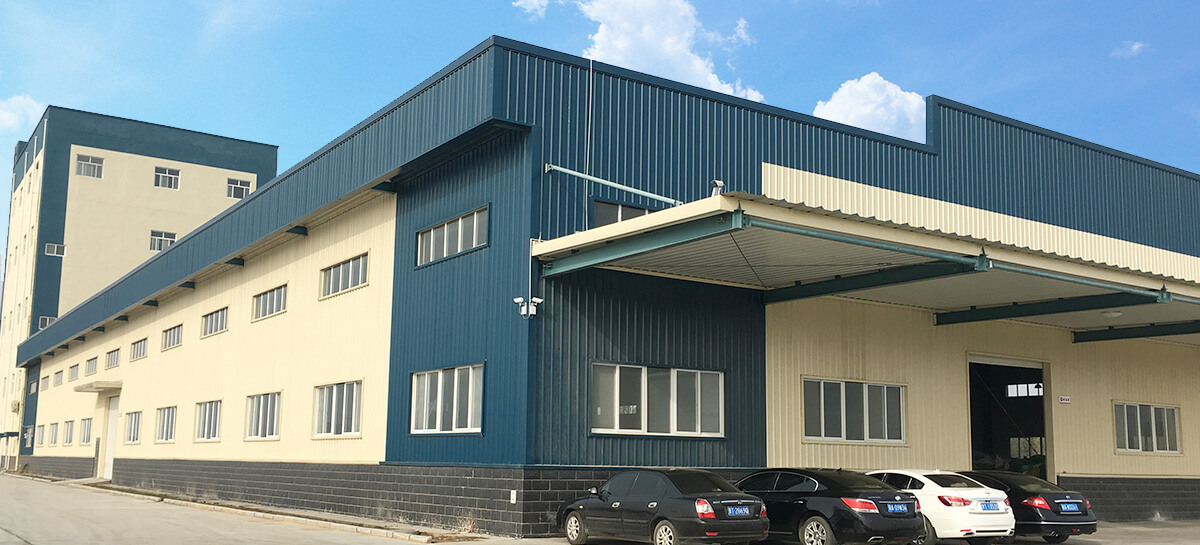

With advanced production facilities and strict quality control protocols, the company ensures every product meets international safety and nutritional standards. Their product line includes carefully formulated kibble, wet food, and specialized diets that cater to pets with specific dietary needs, allergies, or sensitivities. By sourcing premium natural ingredients and avoiding artificial additives, Pdara Pet emphasizes holistic pet health and longevity.
Beyond manufacturing, Hangzhou Pdara Pet Co., Ltd. provides flexible OEM and private label services, allowing global pet brands to develop unique, high-quality product lines. Their dedicated R&D team continuously innovates, integrating the latest trends in pet nutrition, from functional foods supporting digestion and joint health to protein-rich diets that enhance energy and muscle development.
With a strong commitment to quality, sustainability, and customer satisfaction, Pdara Pet has earned trust among distributors, retailers, and pet owners worldwide. The company’s mission is to create delicious, healthy, and scientifically balanced pet food that pets love and owners can rely on, positioning Hangzhou Pdara Pet Co., Ltd. as a preferred China supplier of premium pet nutrition solutions.
Q&A
These answers address the most common enterprise buyer questions while keeping product, quality, compliance, and commercial topics connected to a practical sourcing workflow.
The supplier profile describes Hangzhou Pdara Pet Co., Ltd. as a premium dog and cat food manufacturer in China with OEM and private-label services. For baked dog treats specifically, buyers should confirm the exact production line, recipe scope, packaging format, and current documentation during supplier qualification.
Customization can be discussed across protein source, grain-free or grain-inclusive base, crunchy or softer texture, piece size, shape, aroma, functional inclusions, and packaging format. A sample plan should define which attributes are mandatory, which are flexible, and how the buyer will evaluate palatability and shelf performance.
A strong RFQ includes target market, pet size and life stage, ingredient exclusions, nutrition targets, texture, size, shape, expected shelf life, packaging format, label language, estimated annual volume, forecast by SKU, sampling timeline, and destination documentation questions. This information reduces sampling loops and helps the factory quote a realistic program.
Localization support can include label content review, ingredient statement coordination, available product documentation, and export paperwork. Because requirements vary by market, the brand owner, importer, and local regulatory specialist should confirm current rules. The manufacturer should provide accurate product data for that review.
Typical checkpoints include ingredient specification and receiving checks, formula weighing, bake profile records, drying and cooling controls, metal detection, packaging seal checks, batch coding, retained samples, and change-control procedures. The exact audit plan should reflect the product, market, and buyer risk policy.
The supplier profile emphasizes grain-free, organic, and high-protein pet nutrition. Buyers should still define the exact claim standard, permitted ingredient list, verification documents, and destination-market requirements before commercial production. This avoids a formulation that works technically but cannot be supported by the intended label claim.
Common formats include stand-up pouches, flat pouches, cartons, retail boxes, sample packs, and bulk bags. Packaging choice should consider barrier needs, product shape, breakage risk, fill weight, shelf-life target, retail channel, and local labeling requirements.
A phased approach works well: start with benchmark samples, run a small pilot batch, validate packaging and labels, collect buyer feedback, and then confirm MOQ and forecast assumptions. A controlled launch reduces inventory risk and gives the factory better data for the next production cycle.
Hangzhou Pdara Pet Co., Ltd. supports OEM and private-label projects and maintains a broader pet nutrition portfolio that includes freeze-dried products, wet food, functional supplements, dental items, and related pet product categories. Buyers can evaluate a first SKU while planning a wider category roadmap.
Use the product references below to review packaging direction, product positioning, and portfolio breadth, then prepare an RFQ that connects formula, process, compliance, and commercial expectations.
Explore More Product ReferencesAdditional Wholesale Range
The bottom product gallery preserves the remaining original product URLs and images. Together with the first gallery, all sixteen original product references are retained across the page while supporting a clean, responsive, full-width B2B presentation.
 Pdara Pet