Pet food can look unchanged while its quality slowly declines. Air, humidity, heat, and light can affect fats, flavor, and nutrients. A bag left open beside a sunny kitchen window may grow stale long before it is empty. Proper storage helps protect freshness and makes everyday feeding more reliable.
So, How to store pet food for maximum freshness? Dr. Kurt Venator, Purina’s chief veterinary officer, advises: “The best way to store dry pet food is in its original bag, rolled or clipped shut, and placed inside an airtight container.” The original packaging carries useful product information and helps limit exposure to air. Keep it in a cool, dry place, away from sunlight and household chemicals. For canned food, refrigerate unused portions promptly in a covered container, and follow the label’s storage directions.
Small details matter. A scoop that touches a damp counter can introduce moisture, while an unwashed bin may hold crumbs and oily residue from an older bag. Empty and clean storage containers between refills, then let them dry completely. Check the package for its best-before date, and use opened food within the manufacturer’s recommended period. Freshness is not guaranteed by an airtight lid alone. Temperature, moisture, handling, and time all play a part.
I have learned that storage routines can slip during busy weeks. That is worth noticing. A quick check of the bag seal and storage area can help catch problems before food smells rancid, looks damp, or changes texture. If anything seems unusual, do not serve it; ask your veterinarian or the manufacturer for guidance.
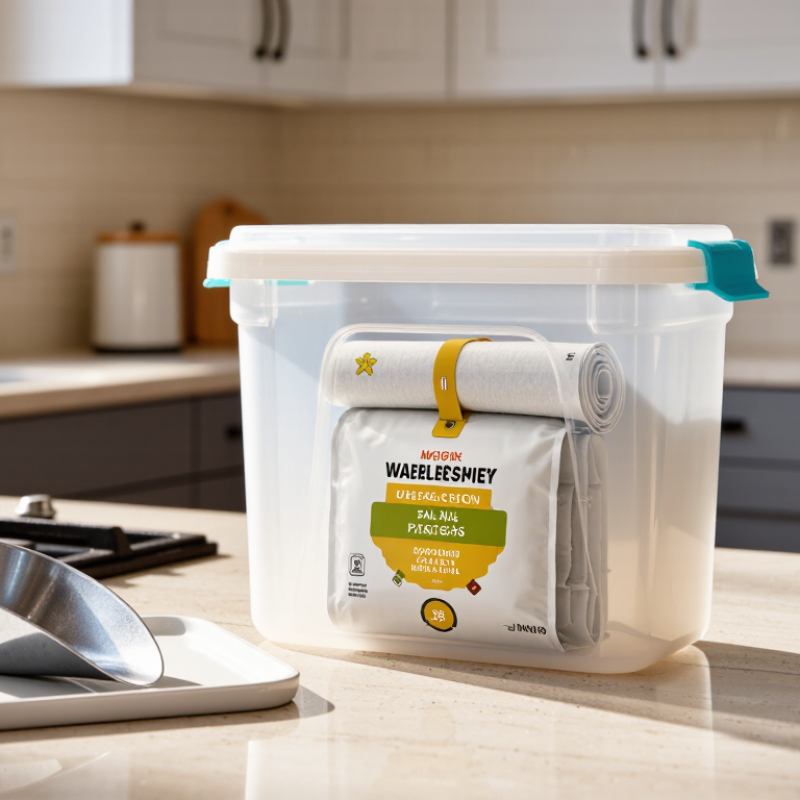
Pet food freshness depends on more than the date printed on the package. Heat, moisture, air, and light can gradually affect its texture, smell, and nutritional quality. A bag left beside a sunny window may warm up each afternoon. A damp scoop can introduce moisture, too. Small habits matter.
Dry food generally stays fresher when kept in its original bag, with the opening pressed closed after each use. The bag provides useful product and batch information, while a clean, airtight container can add protection. Keep it in a cool, dry cupboard, away from ovens, radiators, and direct sunlight. Not every kitchen has an ideal storage spot. Choose the coolest dry place available, and avoid storing food on a garage floor where temperature and humidity may change.
Wet food needs different care. Cover opened portions and refrigerate them promptly, following the feeding and storage directions on the package. Do not leave a serving in a warm bowl for hours; discard leftovers if they smell unusual or look changed. Wash food containers and scoops regularly, then let them dry fully. It is easy to overlook a dusty lid or a little oil near the bag seam. Check the food’s smell and appearance when serving, while remembering that normal-looking food is not a guarantee of freshness.
| Food Type or Condition | Effect on Freshness | Practical Storage Guidance |
|---|---|---|
| Unopened dry food exposed to heat or sunlight | Heat, light, and oxygen can speed up the deterioration of fats and may reduce food quality over time. | Keep the package in a cool, dry place away from direct sunlight, heaters, and hot vehicles. |
| Opened dry food left in an open bag | Repeated exposure to air and humidity can make food stale and may encourage mold or pest contamination. | Fold or seal the original bag tightly after each use. For extra protection, place the sealed bag inside a clean, dry, airtight container. |
| Dry food poured directly into a storage bin | Leftover crumbs and oils can build up in the bin, potentially affecting the freshness of new food added later. | Keep food in its original bag when practical. If using a bin, empty and wash it between bags, then let it dry completely before refilling. |
| Moist or humid storage area | Moisture can cause dry food to soften or clump and can create conditions that favor mold growth. | Choose a dry storage location and close the package promptly. Do not store food in damp areas such as a humid basement. |
| Opened canned or pouch food | Once opened, wet food is exposed to air and can spoil if left at room temperature for too long. | Cover and refrigerate unused portions promptly. Follow the product label; a common guideline is to use refrigerated leftovers within 3–5 days. |
| Food left in a pet’s bowl | Contact with air, saliva, and room conditions can reduce freshness and increase the chance of spoilage. | Remove uneaten wet food promptly. Avoid leaving perishable food out for extended periods, especially in warm conditions. |
| Food stored near cleaning products or chemicals | Food may absorb odors or be contaminated by spills, making it unsuitable for feeding. | Store pet food separately from household chemicals, fuels, and other non-food products. |
| Food past its date or with damaged packaging | The product may no longer meet its intended quality, and damaged packaging can expose it to air, moisture, or contamination. | Check the package date and condition before use. Discard food with unusual odors, visible mold, or signs of pests. |
Note: Storage directions and recommended use periods vary by product. Always follow the instructions on the package, and wash food containers and bowls regularly.
Oxygen, moisture, heat, and microbes can affect food over time. Warm cupboards may make dry kibble’s fats turn rancid faster.
Keep it in a cool, dry cupboard, away from sunlight, heaters, and damp floors. A garage may have changing temperatures and pests.
Yes. Fold the bag closed and place it inside a clean, airtight container. The bag keeps its label and lot details handy.
Watch for sour smells, damp clumps, mold, insects, unusual color, or changed texture. A normal appearance does not guarantee safety.
Seal leftovers in a container, refrigerate them, and follow the package’s storage guidance. Refrigeration slows spoilage, but does not stop it.
It can collect dust, insects, and hair. Wash the bowl between meals, and avoid leaving wet food on a warm counter.
Choose one with a tight lid and no cracks or lingering odors. Wash and dry it fully before refilling; trapped moisture matters.
Set it aside and do not mix it with fresh food. Discard questionable food, clean the bowl, and contact a veterinarian if your pet becomes ill.
No. Check the smell and texture too, and mark when you opened the bag. I sometimes forget that last step, so a simple note can help.
Proper pet food storage is essential for keeping meals fresh, flavorful, and nutritious. Exposure to air, heat, moisture, and direct sunlight can speed up spoilage, weaken nutrients, and affect taste. Once a package is opened, improper handling may also allow odors, pests, or contamination to compromise the food. Understanding how to store pet food for maximum freshness? starts with choosing a clean, airtight container that is suitable for the food and keeping it in a cool, dry place away from sunlight and humidity.
Good storage habits include sealing packages tightly, using food before its freshness declines, and washing storage containers between refills. Check the food regularly for changes in smell, color, texture, or signs of moisture, mold, or pests. If it seems stale or spoiled, do not serve it. By controlling storage conditions and recognizing warning signs, pet owners can help preserve food quality and make mealtimes safer and more enjoyable.

 Pdara Pet