China Best Functional Pet Food: Why Is It Gaining Popularity?
Why is functional pet food gaining popularity? Across China, pet owners are examining labels more carefully than before. They look for probiotics, omega-3 fatty acids, joint-support ingredients, and balanced protein sources. A small bag of food may now promise digestive comfort, healthier skin, or easier movement. These benefits feel practical, especially for older dogs and indoor cats.
Dr. Lisa M. Freeman, a veterinary nutritionist at Tufts University, has emphasized, “There are no magic foods or ingredients.” Her warning matters. Functional food should support a complete diet, not replace veterinary diagnosis or treatment. Responsible Chinese manufacturers increasingly use feeding trials, ingredient testing, and clearer nutritional information. These practices can strengthen consumer trust and improve product quality.
The market is still imperfect. Some claims sound stronger than the available evidence. A shiny package does not prove better nutrition. Yet the demand is understandable. Owners notice fewer digestive problems, softer coats, or improved energy after consistent feeding. Results vary.
That uncertainty deserves attention.
China’s best functional pet food products will likely succeed through transparent formulas, traceable ingredients, and research-based claims. Local manufacturers also understand regional preferences, climate conditions, and changing household budgets. This combination makes functional nutrition more accessible. However, buyers should compare guaranteed analysis, feeding guidance, and professional recommendations before switching diets. Popularity alone is not proof. Evidence must lead.
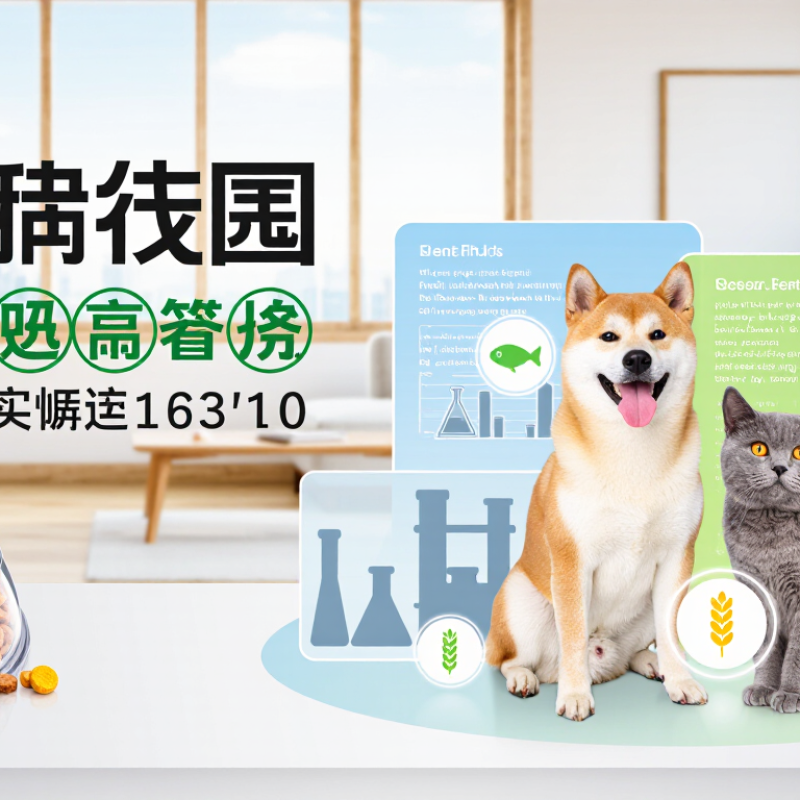
China’s urban pet market reached RMB279.3 billion in 2023. This figure shows how strongly pets now influence household spending. Urban owners increasingly treat dogs and cats as family members, not simply companions. They seek food linked to digestion, skin health, joint support, weight control, and healthy aging. Functional pet food fits this changing mindset.
Daily routines make the trend visible. A cat may receive a hairball formula beside its water bowl. An older dog may eat softer food with joint-support ingredients. These choices often come from practical concerns, such as less shedding, firmer stools, or easier movement. Veterinary nutritionists can help owners assess ingredient quality, feeding amounts, and possible allergies. Clear labels matter. So does evidence from controlled feeding studies.
Popularity can also create confusion. A higher price does not guarantee better nutrition. Growth is not proof. Some owners may expect one ingredient to solve several health problems. That belief needs careful review. The RMB279.3 billion market figure reflects economic activity, not confirmed improvements in pet health. Owners should consider age, breed, activity, medical history, and total diet before changing food. Even useful products may fail when portions are too large or hydration is ignored.
China’s functional pet food market is growing as owners seek targeted nutrition, not merely full bowls. The 2023 China Pet Industry White Paper estimated China’s urban dog and cat consumption market at 279.3 billion yuan. Food remains its largest category. This shift reflects practical concerns, including digestive sensitivity, coat condition, joint movement, and aging.
Functional pet food means a complete diet or treat with added nutritional value. Common ingredients include probiotics for gut balance, omega-3 fatty acids for skin and coat support, glucosamine for joints, and taurine for feline heart and eye health. The Global Pet Expo 2024 trend report identified digestive health, healthy aging, and personalized nutrition as major directions. Evidence still varies. A promising ingredient is not automatically a proven treatment.
Product categories now include dental chews, sensitive-stomach formulas, senior diets, weight-management foods, and freeze-dried supplements. Labels should state ingredient amounts, feeding guidance, and nutritional adequacy. WSAVA nutrition guidance stresses that owners should evaluate the whole diet, not isolated claims. In practice, I would check stool quality, energy, weight, and coat changes over several weeks. Small details matter. Some products sound scientific but provide little usable evidence. Veterinary advice remains important for chronic symptoms, allergies, or sudden appetite changes.
| Product Category | Primary Functional Purpose | Common Functional Ingredients | Typical Nutritional Contribution | Suitable Product Formats | Important Considerations |
|---|---|---|---|---|---|
| Functional Pet Food Categories and Evidence-Based Nutritional Roles | |||||
| Digestive Health | Supports normal gastrointestinal function and stool quality. | Prebiotic fibers Fermentable fibers Probiotic cultures Digestible proteins | Fermentable fibers can provide substrates for beneficial intestinal microorganisms. Selected probiotic strains may help maintain microbial balance, although effects are strain-specific. | Dry food, wet food, treats, powders, and supplements. | Fiber levels should be appropriate for the animal. Probiotic performance depends on strain identity, viability, storage, and dosage. |
| Skin and Coat Care | Helps maintain the skin barrier and a healthy, glossy coat. | Omega-3 fatty acids EPA DHA Linoleic acid Zinc Vitamin E | Essential fatty acids contribute to skin structure and coat condition. EPA and DHA are long-chain omega-3 fatty acids commonly obtained from marine or algal sources. | Complete diets, oil-inclusive recipes, soft chews, and measured supplements. | Ingredient quality and oxidation control are important. Persistent itching or hair loss requires veterinary assessment. |
| Joint and Mobility Support | Supports normal cartilage, connective tissue, and mobility in active, aging, or larger dogs. | Glucosamine Chondroitin EPA DHA Green-lipped mussel Adequate protein | Omega-3 fatty acids may help moderate inflammatory pathways. Glucosamine and chondroitin are structural components associated with cartilage and connective tissue. | Large-breed diets, senior diets, dental chews, soft chews, and powders. | Mobility products do not replace diagnosis or treatment of arthritis, injury, or obesity. Weight control remains a major factor in joint health. |
| Dental Health | Helps reduce plaque accumulation and supports oral hygiene. | Appropriate kibble texture Dental fibers Mineral-control systems Mechanically abrasive treats | Some product designs may increase chewing and mechanical contact with tooth surfaces. Dental diets and chews vary in their demonstrated effectiveness. | Dental diets, textured treats, chews, and oral-care supplements. | Daily tooth brushing is widely considered a core preventive measure. Hard objects that can fracture teeth should be avoided. |
| Weight Management | Supports healthy body condition while helping control calorie intake. | Higher protein Moderate fat Increased fiber L-carnitine Measured calories | Lower energy density and portion control can help reduce excessive calorie intake. Protein supports lean tissue during weight reduction when total nutrition is adequate. | Reduced-calorie dry food, wet food, portion-controlled meals, and low-calorie treats. | Calorie content and feeding quantity are more important than marketing terms. Weight-loss plans should be monitored regularly. |
| Urinary Tract Support | Supports adequate hydration and helps manage selected urinary nutritional risk factors. | High-moisture recipes Controlled minerals Balanced magnesium Urine pH management | Water intake, mineral balance, and urine characteristics influence urinary health. Therapeutic urinary diets are formulated for specific clinical conditions. | Wet food, hydration-enhanced meals, and veterinary therapeutic diets. | Urinary stones and obstruction can be medical emergencies. Diet selection should follow veterinary diagnosis, especially for cats. |
| Immune and Antioxidant Support | Helps support normal immune-system function and protection from oxidative stress. | Vitamin E Vitamin C Selenium Zinc Carotenoids | Vitamins and trace minerals are required for normal physiological processes. Antioxidant nutrients help protect cells from oxidative damage when provided at appropriate levels. | Life-stage diets, senior diets, functional treats, and complete meals. | More is not always better. Excess supplementation may create nutrient imbalances or toxicity risks. |
| Senior-Pet Nutrition | Addresses changing energy needs and supports healthy aging. | Controlled calories High-quality protein Omega-3 fatty acids Antioxidant nutrients Digestible ingredients | Older pets often need careful calorie management while maintaining adequate protein and essential nutrients. Individual requirements vary with kidney, heart, dental, and mobility status. | Senior complete food, soft-texture food, wet food, and portion-controlled meals. | “Senior” is not a universal medical life-stage definition. Nutritional changes should reflect the pet’s condition and veterinary advice. |
| Why Functional Pet Food Is Gaining Popularity in China | |||||
| Rising Pet Humanization | Owners increasingly treat pets as family members and pay closer attention to preventive care. | Demand for life-stage nutrition, digestive support, skin and coat products, joint support, and convenient health-oriented treats. | Humanization encourages owners to evaluate ingredient lists, nutritional purpose, palatability, and product safety rather than choosing food solely by price. | Complete diets, treats, supplements, fresh-style meals, and specialized formats. | Consumer interest should be balanced with nutritional adequacy and scientifically supportable claims. |
| Urban Lifestyle and Convenience | Supports convenient feeding for owners with limited time and changing household routines. | Portion-controlled packs, shelf-stable products, single-serve wet food, functional treats, and easy-to-measure supplements. | Convenient formats can make consistent feeding easier, provided the total daily calorie and nutrient intake remains appropriate. | Small packages, wet pouches, dry food, treats, and subscription-style deliveries. | Treats and toppers should be included in the daily calorie budget and should not displace a nutritionally complete diet. |
| Greater Ingredient Awareness | Owners are paying more attention to transparency, digestibility, sourcing, and recognizable ingredients. | Clearly identified animal proteins, named oils, functional fibers, vitamins, minerals, and traceable ingredient information. | Ingredient transparency helps consumers compare products, but the ingredient list alone does not establish complete nutritional adequacy or clinical effectiveness. | Premium dry food, wet food, freeze-dried products, treats, and supplements. | Marketing terms such as “natural,” “holistic,” or “premium” do not independently prove superior nutritional value. |
| Demand for Preventive Nutrition | Owners seek nutritional support before visible health problems become severe. | Dental-care formulas, weight-management diets, digestive-support recipes, joint-support products, and skin-and-coat formulas. | Preventive nutrition can complement routine veterinary care, exercise, vaccination, parasite control, and appropriate body-weight management. | Daily complete food, dental products, functional treats, and targeted supplements. | Functional food is not a substitute for veterinary diagnosis or prescription treatment. |
| Quality and Selection Checklist | |||||
| Nutritional Completeness | Confirms whether the product can serve as the main diet. | Complete-and-balanced nutritional statement, appropriate life stage, species suitability, and feeding directions. | A complete diet should provide required nutrients in appropriate amounts and ratios for the intended animal and life stage. | Daily meals and life-stage formulas. | Complementary food, treats, toppers, and supplements should not replace a complete diet unless professionally formulated to do so. |
| Functional Ingredient Verification | Checks whether the claimed ingredient is present at a meaningful and clearly communicated level. | Ingredient name, guaranteed analysis where applicable, active-strain identification for probiotics, and declared inclusion information. | The potential benefit depends on ingredient form, dose, stability, bioavailability, and interaction with the complete diet. | All functional food and supplement formats. | Vague claims without ingredient details or feeding amounts should be interpreted cautiously. |
| Safety and Regulatory Responsibility | Reduces the risk of misleading claims, contamination, poor storage, or inappropriate use. | Batch traceability, quality testing, safe storage instructions, accurate labeling, and compliant product claims. | Food products should make nutritional or supportive claims that can be substantiated and should not imply that they diagnose, cure, or prevent disease unless legally authorized. | Complete food, treats, supplements, and therapeutic products. | Pets with chronic disease, pregnancy, allergies, or medication use may require individualized professional guidance. |
China Best Functional Pet Food: Why Is It Gaining Popularity?
China’s premium pet food market is showing double-digit growth, according to recent industry reports and retail surveys. The trend is strongest in major cities, where owners spend more on nutrition, preventive care, and convenient feeding. However, growth rates differ by source, product category, and region.
Functional pet food attracts attention because it addresses visible needs. A cat with frequent hairballs may receive a formula containing added fiber. An older dog may need nutrients supporting joints and mobility. Some products focus on digestion, skin condition, or weight management. In practice, owners often compare ingredient panels, feeding guides, and veterinary advice before purchasing. Trust matters.
The market still has weaknesses. “Premium” does not always mean better. Some claims sound impressive but lack strong clinical evidence. Reliable manufacturers should explain nutrient levels, testing methods, and safety controls clearly. Independent professionals can also help evaluate whether a product suits an animal’s age, health status, and daily diet. Data quality remains uneven across China, especially for smaller cities and online sales. That deserves more scrutiny. Growth is real, but consumer confidence will depend on transparent labeling, consistent quality, and evidence that supports functional claims.
China’s functional pet food market is gaining attention as owners seek nutrition beyond basic calories. Many now read ingredient panels and ask about digestion, skin, mobility, and muscle health. The change is visible in urban homes, where older dogs receive measured meals and indoor cats get carefully selected formulas.
Probiotics are common because they may support a balanced gut environment. However, results can vary by strain, dose, and the animal’s existing diet. Omega-3 fatty acids, often sourced from marine oils, may support skin, coat, and normal inflammatory responses. A dull coat may improve slowly, not overnight. Joint formulas often include glucosamine, chondroitin, or similar nutrients for aging pets. These ingredients can complement veterinary care, but they should not replace it.
High-protein recipes appeal to owners who want stronger muscle maintenance, especially for active dogs and growing animals. Yet more protein is not automatically better. Age, kidney health, activity, and total calories still matter. Reliable producers should provide clear analysis, ingredient traceability, safety testing, and feeding guidance. Veterinary nutrition expertise also adds credibility. Some labels sound highly scientific. That deserves careful review. In practice, pets may reject a promising formula, develop loose stools, or show no visible change. Gradual transitions and honest observation remain essential.
Functional pet food formulas commonly combine high-quality protein with probiotics, omega-3 fatty acids, and joint-support nutrients. The chart compares the minimum crude-protein levels established by AAFCO nutrient profiles for dogs and cats at different life stages, expressed as a percentage of dry matter. Puppies and kittens require higher protein levels during growth, helping explain why protein-forward formulas remain popular.
Source: AAFCO Dog and Cat Food Nutrient Profiles, minimum crude protein requirements on a dry-matter basis.
Functional pet food from China is gaining attention because quality control is becoming easier to examine. Buyers now look beyond attractive packaging. They check ingredient lists, production dates, batch numbers, and testing records. Many manufacturers follow national feed safety standards and use laboratory checks for nutrients, contaminants, and microorganisms. These steps do not guarantee perfection. They create a stronger basis for trust.
In practical shopping, e-commerce has changed how owners compare products. Product pages may show feeding instructions, factory details, certificates, and user feedback within seconds. Some sellers also provide traceability information through QR codes. However, online reviews can be incomplete or overly positive. A clear certificate is useful, but its testing date and scope still matter. Pet owners should match functional claims with real needs, such as digestive sensitivity or joint support. Veterinary advice remains important, especially for pets with chronic conditions.
Tips: Read the full ingredient panel. Check the batch and expiry information. Look for independent testing details, not only sales claims. Introduce new food gradually and observe stool, appetite, skin, and energy. Keep records for several days. Small changes matter. Also, remember that “functional” does not mean universally suitable. A product that helps one dog may not suit another cat, and personal observation should guide future choices.
China’s urban pet market reached RMB279.3 billion in 2023. Many owners now view pets as family members. They seek support for digestion, skin, joints, weight, and aging. The market figure shows spending, not guaranteed health improvement.
Common goals include gut balance, coat condition, mobility, muscle maintenance, and healthy weight. A cat may receive a hairball formula beside its water bowl. An older dog may eat softer food with joint-support nutrients. Results differ.
Probiotics may support a balanced gut environment. Their effects depend on the strain, dose, and existing diet. Some pets may develop loose stools during changes. Careful observation matters.
Omega-3 fatty acids may support skin, coat, and normal inflammatory responses. A dull coat may improve gradually, not overnight. Benefits are possible, not promised. The source and amount still deserve review.
Ingredients such as glucosamine and chondroitin may complement mobility support. They should not replace veterinary care. An older dog might move more comfortably, but improvement is not certain. Expectations need restraint.
No. Protein needs depend on age, activity, kidney health, and total calories. Active dogs may need stronger muscle support. More protein can still be unsuitable. Better is not automatic.
Check the ingredient panel, nutritional analysis, feeding directions, and safety information. Ingredient traceability is useful. Veterinary nutrition advice can help assess allergies and medical history. Scientific wording alone proves little.
Introduce the food gradually over several days. Watch stool consistency, appetite, water intake, and coat condition. Measure portions carefully. Do not ignore poor reactions. Some pets simply reject it.
China’s urban pet market reached RMB279.3 billion in 2023, reflecting the growing importance of pets in household life and the rising demand for better nutrition. Functional pet food is designed to provide benefits beyond basic nourishment, using targeted ingredients and formulas to support digestion, immunity, skin and coat health, joint mobility, or overall vitality. Why is functional pet food gaining popularity? Pet owners are becoming more attentive to preventive care, ingredient quality, and the long-term well-being of their animals.
Premium pet food demand in China is showing double-digit growth, with popular formulas featuring probiotics, omega-3 fatty acids, joint-support nutrients, and high-quality protein. At the same time, consumers increasingly value transparent labeling, reliable testing, and compliance with national standards. E-commerce has also made product information, reviews, and specialized nutrition more accessible, helping pet owners compare options and make informed choices. Together, health-focused innovation, quality assurance, and convenient online shopping are driving the expansion of China’s functional pet food market.

Pdara Pet