As pet owners increasingly seek healthier options for their furry friends, raw diets have gained popularity. According to Dr. Lisa Freeman, a veterinary nutritionist, "Transitioning to a raw diet can greatly benefit your pet's health." This transition requires careful planning and knowledge about animal nutrition.
Understanding "How to introduce raw diet to your dog or cat?" is crucial. Start by ensuring the diet is balanced and tailored to your pet’s specific needs. It's essential to consider the right proportions of proteins, fats, and vitamins. This approach is not just about feeding raw meat; it includes a variety of ingredients to support overall health.
Pet owners should reflect on their choices. Some pets may need time to adjust to this new diet. Observing your pet's reactions can provide invaluable insights into whether this diet suits them. While benefits can be significant, mistakes can happen. Transitioning too quickly or choosing inappropriate foods can lead to digestive issues. Careful observation and gradual introduction are key.
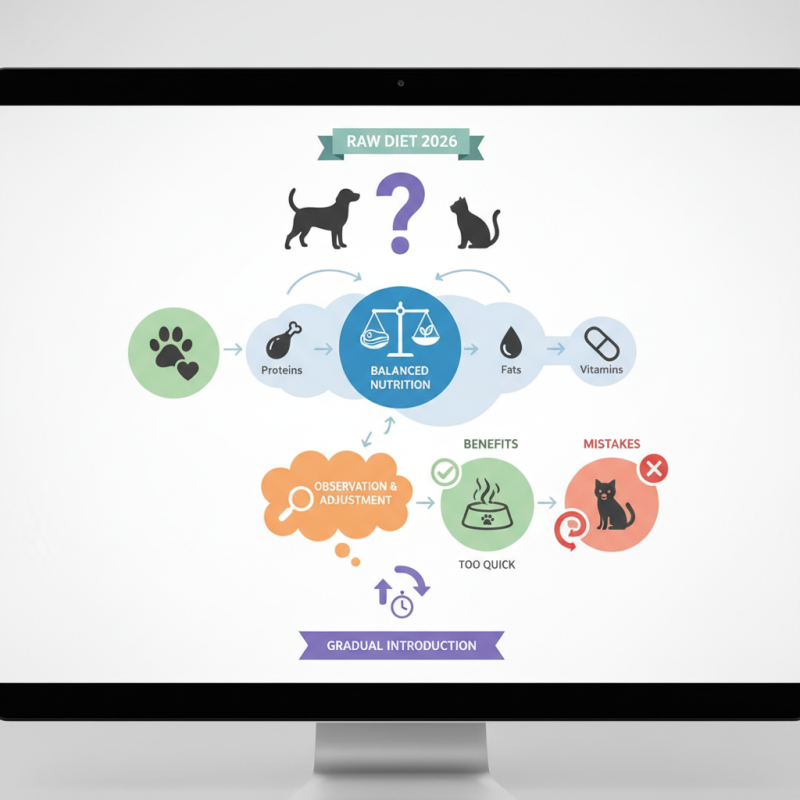
Understanding the raw diet can transform your pet's health. This diet focuses on fresh, unprocessed foods. Many pet owners report improved energy levels and healthier coats. However, it’s crucial to consider both the benefits and risks involved.
While raw diets can provide essential nutrients, they also come with challenges. A raw diet may lead to nutrient imbalances if not managed properly. Pet owners need to educate themselves about the right proportions of proteins, vitamins, and minerals. Consulting with a veterinarian is a key step to ensure safety.
Tips for starting a raw diet: Begin gradually by mixing raw food with current meals. Observe your pet for any adverse reactions. Always handle raw meat with care to prevent contamination. Keep food storage clean and avoid cross-contamination in your kitchen. Transitioning may take time, so don't rush. Finding the right balance is crucial for your pet’s well-being.
| Aspect | Details |
|---|---|
| Definition | A raw diet includes uncooked meat, organs, and bones, along with fruits and vegetables for pets. |
| Benefits | Improved coat condition, higher energy levels, healthier weight management, and better digestion. |
| Risks | Risk of bacterial infections, nutritional imbalance if not properly formulated, and choking hazards from bones. |
| Transitioning | Gradually mix raw food with existing diet over a week or two to avoid digestive upset. |
| Consulting a Veterinarian | Always consult a veterinarian before starting a raw diet to ensure it's appropriate for your pet's health needs. |
| Common Ingredients | Raw meat (beef, chicken, fish), organs (liver, heart), bones (chicken necks, beef ribs), and some vegetables (carrots, spinach). |
| Feeding Guidelines | Typically, 2-3% of your pet's body weight in raw food per day is a common guideline. |
When transitioning to a raw diet for your dog or cat, ingredient selection is crucial.
High-quality proteins, such as beef or chicken, form the base.
According to the National Animal Supplement Council, 70% of pet owners report improved energy levels when switching to raw.
Animal proteins provide essential amino acids that are vital for your pet’s health.
Incorporating a variety of organ meats is also important. Liver, for instance, is brimming with vitamins A and B.
A study from the Journal of Veterinary Internal Medicine suggests that including organ meats can reduce the risk of nutritional deficiencies.
It’s a great source of essential nutrients. However, remember that balance is key. Too much liver can lead to toxicity.
Don't overlook fresh fruits and vegetables. They enhance digestion and provide necessary fiber.
Carrots, blueberries, and spinach can be excellent choices. Yet, it's essential to ensure these foods are safe for your pet.
Some fruits, like grapes, can be harmful. Engaging with a veterinarian or a pet nutritionist can help avoid costly mistakes.
Transitioning your pet to a raw diet can seem daunting, but it can be manageable with the right steps. Start by incorporating small amounts of raw food into your pet's current diet. Aim for a 10% ratio at first. This allows their digestive system to adjust without overwhelming them. Monitor your pet’s reactions closely. Look for signs of discomfort or allergies.
Over the next few weeks, gradually increase the raw food percentage. Incremental changes help ease the transition. Introduce different protein sources. Variety is key to a balanced raw diet. However, not all pets may adapt equally. Some might struggle with certain proteins, while others may thrive. Keep track of what works best for your pet.
It’s also essential to address hygiene when preparing raw meals. Use separate utensils and surfaces to prevent cross-contamination. Remember to store raw food properly to avoid spoilage. Regular vet check-ups can help monitor your pet's health during this transition. Pet owners often overlook this step. It’s vital to adjust your approach based on your vet's advice. Balancing enthusiasm for a raw diet with diligent observation ensures a smoother transition for your furry friend.
When transitioning your dog or cat to a raw diet, it’s crucial to include essential nutritional supplements. These supplements help make up for any potential deficiencies in a raw food regimen. For instance, omega-3 fatty acids support skin and coat health, which can be particularly important for animals with dry or flaky skin. Regular diets may not always provide sufficient levels of these nutrients.
Calcium is another vital supplement. It aids in bone development and maintenance. In a raw diet, it’s easy to overlook calcium if you’re not feeding appropriate bones or organ meats. Vitamin E is also significant, as it acts as an antioxidant and is important for immune function. Missing out on these essentials can lead to health issues down the line.
Adding probiotics can improve gut health. A raw diet can disrupt a pet's digestive system initially. Probiotics can help ease this transition. However, monitoring your pet's response is critical. Each animal is different, and what works for one may not work for another. Be prepared to adjust the supplements based on your pet's specific needs as you explore the raw diet journey together.
When transitioning your pet to a raw diet, it's essential to monitor their health closely. Look for changes in coat quality; a shiny, healthy coat is a good indicator of proper nutrition. If your pet's fur seems dull or rough, it may need adjustments in its diet. Pay attention to their energy levels as well. A healthy pet should be active and playful. Sudden lethargy can signal dietary issues.
Regularly check your pet’s stool. Consistency and color are key indicators of digestive health. Diarrhea or very hard stools can indicate an imbalance in their diet. Keep an eye on weight as well. A gradual change is normal, but rapid weight loss or gain needs further evaluation. Visiting a vet for guidance on nutritional needs is crucial during this transition. They can help ensure your pet receives a balanced intake of nutrients.
Hydration is another critical aspect. Raw diets can alter water intake patterns. Encourage your pet to drink water regularly. If you notice they are avoiding water, it could be a sign of an issue. Adapting to a raw diet is a learning process for both you and your pet. Stay observant and be ready to make tweaks as needed.
: Choosing high-quality proteins ensures your pet gets essential amino acids for better health.
Organ meats, like liver, provide vital vitamins but should be given in moderation to avoid toxicity.
Yes, they enhance digestion and offer fiber. However, some can be harmful, so choose wisely.
Begin with a small amount of raw food, around 10%, mixed with their current food for a smooth start.
Watch for signs of discomfort or allergies, and adjust your diet plan as needed based on their reactions.
It's important to track which proteins work best for your pet, as some may struggle to adapt.
In "How to Start a Raw Diet for Your Dog or Cat in 2026," the article provides a comprehensive guide to understanding the benefits and risks associated with raw diets for pets. It emphasizes the importance of selecting the right ingredients to ensure a balanced nutritional intake for your furry friend. A step-by-step guide is offered for transitioning your pet to a raw diet, addressing key considerations for making the switch smoothly.
Moreover, the article highlights essential nutritional supplements that may be necessary to support your pet's health on a raw diet and outlines the critical aspects to monitor during this dietary transition. By exploring these elements, pet owners will find clear answers to the question, "How to introduce raw diet to your dog or cat?" ensuring their pets thrive on this natural feeding approach.

Pdara Pet