As pets age, their nutritional needs evolve, making it crucial to ask the question: "How often should senior pets eat per day?" According to the American Animal Hospital Association, approximately 40% of senior pets suffer from conditions like obesity or dental disease. These issues can significantly impact their eating habits and overall health.
Senior pets often have slower metabolisms and may require smaller, more frequent meals to maintain proper energy levels. Studies indicate that feeding older pets several small meals can ease digestion and help manage weight effectively. The Journal of Veterinary Internal Medicine suggests that multiple feedings can reduce the stress on their bodies and improve nutrient absorption.
However, the frequency of meals may depend on the individual pet's health. Some may need special diets or have other underlying issues. Owners must remain vigilant and adjust meal frequency based on their pet's behavior and health. A personalized approach is key to ensuring their well-being.
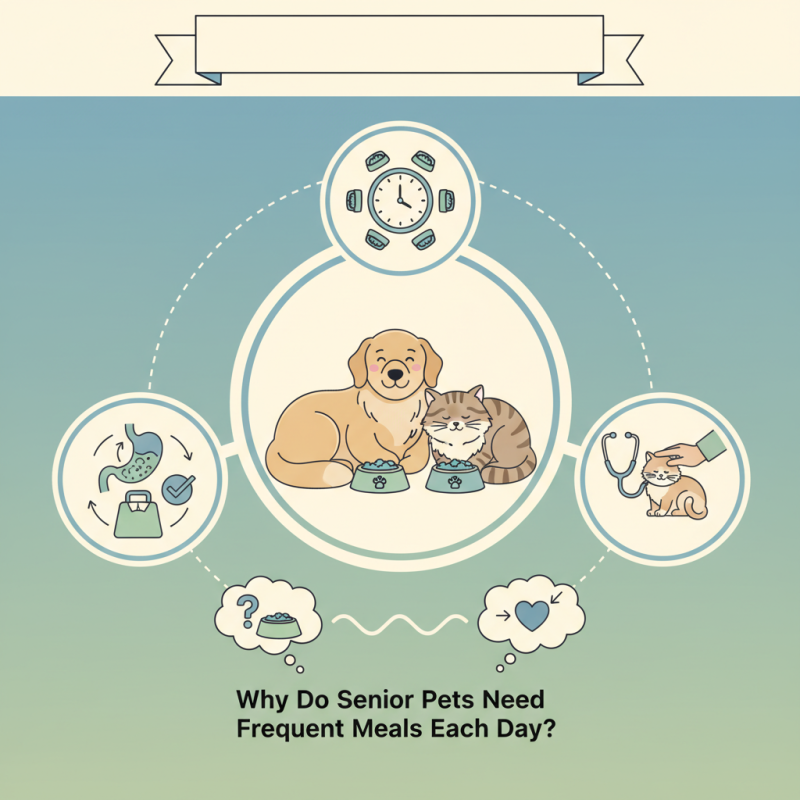
Understanding the Nutritional Needs of Senior Pets
Senior pets have unique nutritional needs that must be met to maintain their health. As pets age, their metabolism slows down. They may require fewer calories, but their nutrient needs remain high. This is why offering multiple smaller meals throughout the day can be beneficial. It helps ensure they get adequate nutrients without overloading their digestive system.
Consider their protein needs. Older pets often need higher quality protein to support muscle mass. Including lean meats or specialized senior pet formulas can make a difference. Additionally, their digestion might not be as efficient as it once was. Foods rich in fiber can help, promoting healthy digestion and preventing constipation. Older pets also tend to have specific conditions, like kidney or dental issues, which may require tailored meal plans.
Monitoring your pet’s appetite is essential. Some senior pets may lose interest in food or eat less over time. It's crucial to adjust their meal frequency and portion sizes accordingly. Engaging with a veterinarian can provide the guidance needed to meet these changing requirements. Thoughtful planning around meals ensures that senior pets receive the nourishment they need as they continue to age gracefully.
The Importance of Meal Frequency for Aging Animals
As our pets age, their dietary needs change significantly. Frequent meals become crucial for senior animals. With their slower metabolism, older pets benefit from smaller portions throughout the day. This approach helps stabilize energy levels and improves overall health. It can be challenging for pet owners to adjust. Some may fear that constant feeding may lead to obesity, but that's not the case when done thoughtfully.
Digestive health is also a primary concern for aging pets. Senior animals may experience issues such as constipation or upset stomach. Providing multiple smaller meals can enhance digestion and reduce these risks. Nutritional absorption diminishes with age, making it vital to optimize meal timing and frequency. Monitoring how senior pets respond to feeding schedules can be enlightening. Each pet is unique, and what works for one might not for another.
Reflecting on the frequency of meals can lead to better health outcomes. Some owners might stick to traditional feeding routines out of habit. While routines are comforting, adjusting meal times can improve a senior pet’s quality of life. Keeping a daily journal on their behaviors, appetite, and energy levels during the transition might help. This observation period could reveal much about their specific needs.
Why Do Senior Pets Need Frequent Meals Each Day? - The Importance of Meal Frequency for Aging Animals
| Pet Type |
Age (Years) |
Recommended Meals/Day |
Key Dietary Needs |
Benefits of Frequent Feeding |
| Dogs |
7+ |
3-4 |
High protein, easy-to-digest |
Better digestion, stable energy levels |
| Cats |
10+ |
4-5 |
High moisture, low-carb |
Enhanced hydration, weight management |
| Rabbits |
5+ |
2-3 |
High fiber, fresh greens |
Improved gut health, increased comfort |
| Guinea Pigs |
4+ |
3-4 |
Vitamin C, unlimited hay |
Prevention of scurvy, better digestion |
Physiological Changes in Senior Pets Affecting Digestion
As pets age, their bodies undergo various physiological changes that impact digestion. Senior pets often experience a decrease in metabolic rate and a reduction in digestive enzyme production. This impacts how efficiently they can process food. Research from the American Veterinary Medical Association indicates that older pets may have difficulty digesting certain nutrients, particularly proteins and fats. This results in a need for smaller, more frequent meals to ensure optimal nutrient absorption.
In addition to enzyme reduction, senior pets may have dental issues, making it harder for them to chew. Their teeth can become weakened or worn down over time. This can lead to discomfort when eating, which affects their food intake. Incorporating softer, more palatable food can help them maintain a healthy diet.
Tips: Offer smaller portion sizes throughout the day. This not only aids digestion but also encourages greater activity levels. Always monitor your pet’s weight and adjust meal frequency as necessary. A balanced diet tailored to their specific health needs is essential. Regular veterinary check-ups are vital to track these changes.
How Frequent Meals Promote Health and Well-being in Seniors
Senior pets require more frequent meals to maintain their health and vitality. These meals help meet their unique nutritional needs. As dogs and cats age, their metabolism slows and their digestive systems become less efficient. Smaller, more frequent meals can ease digestion and help in nutrient absorption. This can lead to improved energy levels and overall well-being.
When planning meals, consider the specific dietary needs of seniors. A balanced diet is critical. Look for foods rich in essential nutrients like fiber, protein, and healthy fats. Monitor their weight closely. Seniors may become overweight or underweight easily. Adjust portion sizes and meal frequency based on their needs.
Tips for feeding senior pets include:
- Divide daily food into 3 to 4 smaller meals.
- Use feeding toys to stimulate their minds.
- Always provide fresh water alongside meals.
Frequent meals can prevent hunger and promote a more stable energy level. However, it's important to watch for signs of discomfort or digestive issues. Every pet is unique, and their dietary needs may require adjustments. Keep an open mind and consult with a veterinarian for personalized advice.
Practical Tips for Implementing a Frequent Feeding Schedule
Senior pets often require a more frequent feeding schedule due to their unique nutritional needs. At this stage, their metabolism slows down. A report by the American Animal Hospital Association states that nearly 60% of senior pets are overweight. With slower metabolisms, these pets benefit from smaller, more frequent meals. This helps to prevent overeating and manage their weight more effectively.
Implementing a frequent feeding schedule can be straightforward. Start with three to four small meals spaced throughout the day. Monitor your pet's reaction to the new schedule. Changes in appetite or behavior can signal that fine-tuning is needed. A study by the Journal of Veterinary Internal Medicine highlights that senior pets thrive better with consistent feeding times. This routine can enhance their digestion and overall energy levels.
Pet owners might find it challenging at times. It requires more planning and attention. Recognizing your pet's individual needs is crucial. Some may prefer certain types of food or specific feeding times. Keeping a pet food diary can help track their preferences and dietary responses. Remember, no one-size-fits-all approach exists, but adjusting meal frequency can lead to healthier, happier senior pets.
Why Do Senior Pets Need Frequent Meals Each Day?
Senior pets often require more frequent meals to manage their health. The following chart illustrates the recommended daily feeding frequency for different types of senior pets based on their dietary needs.
FAQS
: Frequent meals stabilize energy levels and improve overall health in senior pets.
Their metabolism slows, necessitating smaller, more frequent meals for better digestion.
Senior animals often encounter constipation and upset stomach; smaller meals can help.
Monitor their responses to feeding schedules for insights into their unique needs.
Reduced enzyme production and metabolic rate hinder their ability to process food efficiently.
Weakened teeth may cause discomfort, making softer, palatable food more suitable.
Divide food into smaller portions and ensure fresh water is available at all times.
Monitor their weight and adjust meal frequency and portion sizes based on their needs.
Opt for a balanced diet rich in fiber, protein, and healthy fats tailored to their health needs.
Keeping a journal of their behaviors, appetite, and energy levels during meal transitions can be helpful.
Conclusion
As pets age, their nutritional needs evolve, leading to the question, "How often should senior pets eat per day?" Understanding the dietary requirements of senior pets is crucial for maintaining their health. Aging animals experience physiological changes that can impact their digestion and metabolism, making it vital to adjust their meal frequency.
Frequent meals throughout the day can help accommodate these changes, promoting better digestion, weight management, and overall well-being. By providing smaller, more frequent meals, pet owners can enhance nutrient absorption and reduce the risk of digestive issues. Practical tips for implementing such a feeding schedule include establishing a routine and choosing appropriate food types that cater to aging pets' needs. This approach not only supports their health but also contributes to a more enjoyable eating experience for senior pets.

 Pdara Pet