Transitioning your cat to a new diet can be a delicate process. It's essential to do this safely. Many pet owners wonder, "How to switch your cat to a new diet safely?" A sudden change may upset your cat's stomach. Gradual adjustments can prevent digestive issues. Cats are creatures of habit, so they may resist new foods initially.
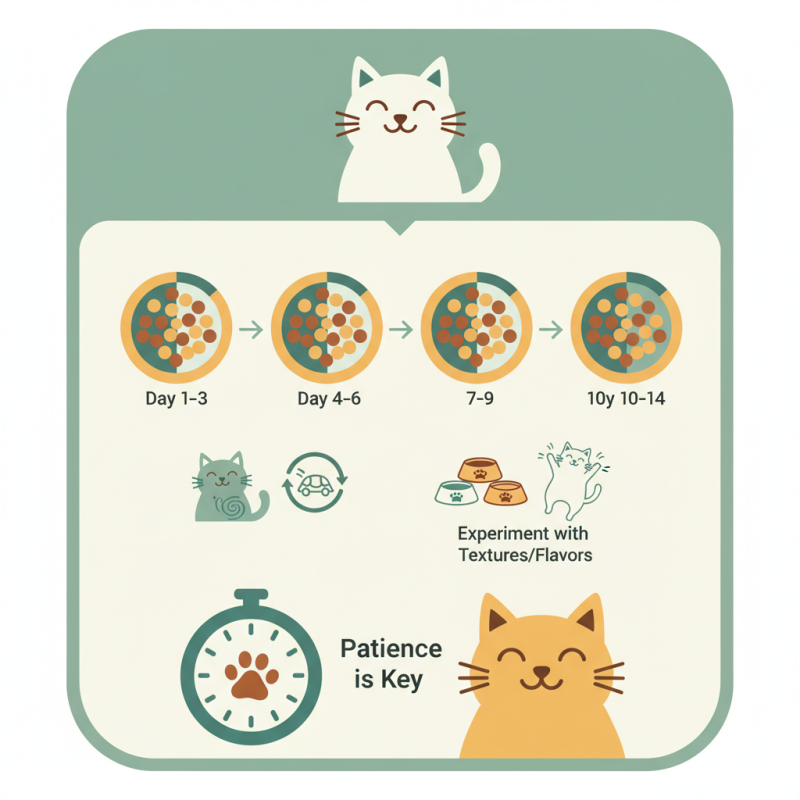
Start by mixing the new food with the old. Use a ratio of 75% old food to 25% new food initially. Over several days, slowly increase the new food’s proportion. This careful approach helps your cat acclimate. Monitor their reaction closely. If you notice vomiting or diarrhea, slow down the transition. Each cat reacts differently. Some adapt quickly; others may take time.
Be aware of their preferences too. They might prefer certain textures or flavors. If your cat outright refuses, reassess your choice. Experimenting with different types can lead to better results. Transitioning diets should not be rushed; patience is key. With careful planning and observation, you can ensure a smoother transition for your furry friend.
Understanding your cat's nutritional needs is essential for a healthy diet transition. Cats are obligate carnivores, requiring a high protein intake. Their digestive systems thrive on meat. Nutrients like taurine and fatty acids are vital for their health. A lack of these can lead to serious health issues.
When changing diets, consider their age, weight, and activity level. Kittens have different needs than senior cats. Always check for any food allergies or sensitivities. Some cats may be picky. Introducing new food slowly helps avoid upset stomachs. Mix it with their current food at first.
Observe your cat closely during this transition. Some changes are subtle, like shifts in energy or coat quality. Ensure fresh water is always available. Your vet can provide personalized advice. Transition carefully to promote a healthy, balanced diet.
Choosing the right diet for your cat involves careful consideration. According to the Association for Pet Obesity Prevention, around 60% of cats in America are overweight. This raises concerns about selecting appropriate food to maintain a healthy weight. Choosing food high in protein and low in carbohydrates can help. Cats are obligate carnivores, so their diet should primarily consist of meat.
Looking at nutritional requirements, a study published by the Journal of Animal Science found that cats need at least 20% protein to thrive. Proper hydration is also crucial. Cats often do not drink enough water, which can lead to kidney issues. Offering wet food or incorporating broth can enhance water intake.
Transitioning to a new diet may pose challenges. Some cats might resist new food due to taste or texture preferences. Gradual changes over 7 to 10 days can help ease this transition. Mixing old and new food can encourage acceptance. Observing your cat’s behavior and weight during this time is important. Consider consulting with your veterinarian for tailored advice.
Transitioning your cat to a new diet can be tricky. It’s vital to introduce changes gradually. Start by mixing a small amount of the new food with the old food. Aim for about 25% new food to 75% old food. Monitor your cat’s reaction closely. Some cats may only nibble at first, while others indulge right away.
Over the next week, slowly increase the new food ratio. You can go to 50% new and 50% old, then 75% new. This method helps minimize digestive upset. Pay attention to any signs of discomfort, like vomiting or diarrhea. If these occur, slow down and stick to the current ratio longer.
Some cats can be finicky about food. They may refuse to eat if the change is too abrupt. A calm environment can help ease the transition. Offer praise or treats during mealtime. It creates positive associations with the new diet. This process can take time, so patience is key. Keeping a close eye on your cat’s behavior and health during the transition is essential.
Transitioning your cat to a new diet can be a delicate process. Monitoring their response is crucial. Research shows that around 30% of cats experience gastrointestinal issues when switching foods. Symptoms can include vomiting, diarrhea, or changes in appetite. Pay close attention to these signs during the transition.
When introducing new food, do so gradually. Mix a small amount of the new diet with their current food. Opt for a 75:25 ratio to start. This helps reduce digestive distress. Keep an eye on how your cat reacts over the first few days. If they seem lethargic or refuse to eat, reconsider the speed of your transition.
Many owners overlook the importance of hydration during this process. Dry food can alter water intake, which is essential for your cat's health. Ensure they're drinking enough water. Monitor weight changes weekly; a significant drop or gain may indicate a problem. Document these observations in a journal to keep track of your cat’s health during this transition. This practice can provide valuable insights and assist your vet if any issues arise.
Transitioning your cat to a new diet requires careful observation of their reactions. Feline nutrition experts recommend a gradual approach to minimize stress and digestive upset. A study published in the Journal of Feline Medicine and Surgery highlights that abrupt changes can lead to gastrointestinal issues in around 30% of cats. This statistic underscores the importance of monitoring your cat’s health during the transition.
Start by mixing a small portion of the new food with their current diet. Increase the new food's proportion based on your cat’s acceptance. If they show signs of discomfort, such as vomiting or diarrhea, slow down the transition. A cat’s response is crucial. For instance, if they refuse to eat or display behavioral changes, it's a signal to reassess the new diet choice.
Professional veterinarians suggest paying attention to subtle cues. Cats may be particularly sensitive to texture and flavor changes. Some cats might enjoy new flavors, while others firmly reject them, creating frustration. It’s vital to reflect on these reactions and adjust the transition plan accordingly. A flexible approach ensures that your cat’s dietary needs are met without unnecessary stress.
| Transition Day | New Diet Ratio (%) | Cat's Reaction | Adjustments Made |
|---|---|---|---|
| 1 | 10 | Curious, no issues | No adjustments needed |
| 2 | 25 | Slightly hesitant | Extended time with previous diet |
| 3 | 50 | Refused to eat | Reduced new diet to 25% |
| 4 | 40 | Ate with encouragement | Gradually increase from here |
| 5 | 60 | Eating well | Continue to monitor |
| 6 | 100 | Fully transitioned | Maintain diet |
: Consider their age, weight, and activity level. Dietary needs differ for kittens and senior cats.
Introduce it gradually. Start by mixing a small amount with their current food. A 75:25 ratio works well.
Watch for vomiting, diarrhea, or changes in appetite. Lethargy is also a reason for concern.
Cats need enough water for their health, especially if switching to dry food. Monitor their water intake closely.
Check for weight changes weekly. Document your observations to track any issues and share them with your vet.
If your cat refuses to eat or shows discomfort, slow down the transition. Reflect on their reactions and adjust.
Look for signs like vomiting or unusual scratching. Consult your vet for personalized advice if issues arise.
Yes, shifts in coat quality may indicate nutritional issues. Observe changes closely during the transition.
Adjustments can vary. Monitor reactions for several days or weeks, and be patient during the transition process.
Yes, some cats are sensitive to texture and flavor. Adapt your approach based on their preferences for a smoother transition.
When considering "How to switch your cat to a new diet safely?", it is essential to first understand your cat's nutritional needs, which can vary based on age, health, and activity level. Selecting the right diet tailored to your cat’s requirements sets a strong foundation for a successful transition.
Gradually introducing the new diet is crucial; it helps prevent digestive upset and allows your cat to adjust to the new flavors and textures. Monitor your cat's response closely during this period, observing for any adverse reactions or preferences. Based on these observations, be prepared to adjust the transition to ensure your cat adapts comfortably and healthily to the new food. Following these steps will help ensure a smooth dietary change for your feline friend.

Pdara Pet