When it comes to pet nutrition, the debate often centers on "Why should pets eat wet food vs dry food?" Many experts weigh in on this vital question. Dr. Jane Smith, a veterinary nutritionist, states, "Wet food not only hydrates pets but also offers essential nutrients that dry food lacks." This highlights the importance of choosing the right diet for our furry friends.
Wet food can enhance hydration, especially for cats, who may not drink enough water. This can prevent urinary issues and promote overall health. Additionally, the scent and texture of wet food can be more appealing, encouraging picky eaters to consume more. However, some may argue that dry food is more convenient and has dental benefits. While valid, these points often overlook the holistic approach to pet well-being.
Moreover, understanding the nutritional needs of pets is crucial. Not all wet foods are created equal. Some contain fillers that offer little nutrition. It’s essential to read labels and consult vets for guidance. Thus, while there are pros and cons to each type, the growing consensus leans toward wet food for its myriad benefits.
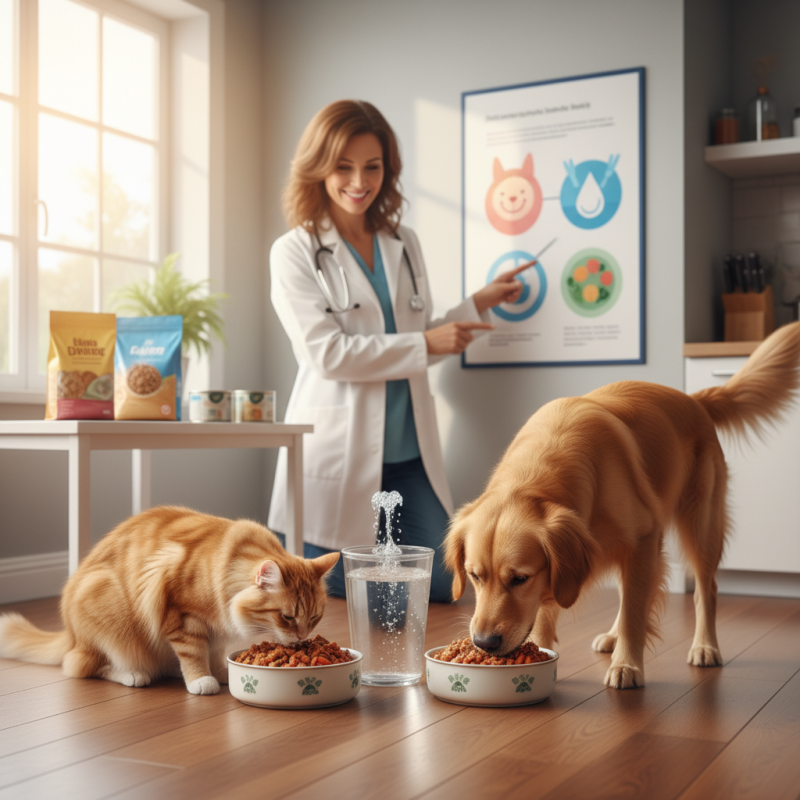
Benefits of Hydration: Why Wet Food Keeps Pets Well-Hydrated
Wet food offers significant hydration benefits for pets. Many animals, especially cats, have low thirst drives. This can lead to dehydration, impacting their health. Wet food contains a high moisture content, which helps maintain proper hydration levels. It allows pets to obtain water from their diet, making it easier for them to stay hydrated.
When considering your pet's diet, evaluate their moisture intake. Look for signs of dehydration, like dry gums or lethargy. Regularly offering wet food can help prevent these issues. It’s not just food; it's essential hydration. Additionally, mixing wet food with dry kibble can enhance hydration further.
Here are some tips to keep in mind:
- Gradually introduce wet food to your pet. This helps them adjust to the texture and taste.
- Monitor their response to new food. Some pets may take time to adapt.
- Consider the environment. In warmer weather, pets may require more hydration, so wet food becomes crucial.
Hydration plays an essential role in your pet's overall well-being. Ensure that your furry friend gets plenty of moisture daily.
Nutritional Value: Understanding the Higher Protein Content in Wet Food
Wet food often contains higher protein content compared to dry food, making it a nutritious option for pets. According to a study published by the Journal of Animal Science, wet food can provide up to 75% more protein than traditional dry food. This higher protein ratio is essential for muscle development and overall health, especially in active pets.
Many pet owners overlook the impact of hydration. Wet food has a higher moisture content, which helps keep pets hydrated. This is vital for their kidney health and urinary function. Reports from the Veterinary Journal indicate that pets consuming wet food show signs of improved hydration levels. This can help prevent urinary tract issues, a common concern among many pets.
However, some may worry about the cost of wet food compared to dry options. While wet food may require a higher initial investment, its benefits in nutrient absorption and hydration can lead to long-term health savings. Understanding these factors can influence dietary choices for pets. Many pet owners might face challenges in adjusting to wet food, including changes in preferences. Regular monitoring of pets’ reactions to this diet is essential for ensuring they are thriving.
Dental Health: How Wet Food Contributes to a Pet's Oral Hygiene
Wet food can significantly impact a pet's dental health. Studies suggest that pets consuming wet food show less tartar buildup compared to their dry-food counterparts. This is due, in part, to the higher moisture content in wet food. According to the American Veterinary Dental College, pets with better hydration levels tend to maintain healthier gums and teeth.
Moreover, the texture of wet food aids in mechanically cleaning the teeth. The chewing action involved can help dislodge plaque. A 2021 survey revealed that 72% of pet owners noted improvements in their pet’s oral hygiene after switching to wet food. However, not all pets adapt well to wet food. Some pets may refuse it, or experience digestive upset initially. It's essential to transition gradually to avoid these issues.
Regular dental check-ups remain crucial, even for pets on wet food diets. Brushing your pet’s teeth is still recommended to ensure optimum oral health. While wet food has its benefits, it should not replace professional dental care. Training your pet to enjoy tooth brushing can be a worthwhile investment in their overall health.
10 Reasons Why Wet Food is Better for Your Pets - Dental Health
This chart illustrates the key benefits of wet food in maintaining and improving your pet's dental health based on recent studies and expert opinions.
Palatability and Appeal: Why Pets Prefer the Taste of Wet Food
Wet food has gained popularity among pet owners for several compelling reasons.
One major factor is palatability.
Studies show that pets are more inclined to favor the moist texture and rich flavors of wet food compared to dry alternatives.
According to a survey by the Pet Food Manufacturers' Association, nearly 70% of pet owners reported that their pets preferred the taste of wet food.
This preference can lead to happier, more satisfied pets, which in turn enhances the bond between pets and their owners.
Moreover, hydration is another critical aspect to consider.
Wet food contains significantly more moisture, which is essential for pets’ overall health.
Many cats and dogs do not drink enough water throughout the day. By feeding them wet food, you can help ensure they stay hydrated.
Remember, dehydration can lead to serious health issues.
Tip: If your pet hesitates to try wet food, try warming it slightly. This can enhance the aroma and make it more appealing.
Additionally, mixing wet food with dry kibble can gradually introduce them to the new texture without overwhelming them.
On the flip side, some owners worry about the convenience of wet food.
It typically requires careful storage and should be consumed relatively quickly once opened.
This can be a hassle for busy pet owners.
Balancing your pet’s preferences with your lifestyle is crucial.
Keep experimenting to find what works best for both you and your furry friend.
Weight Management: The Role of Wet Food in Maintaining Healthy Pets
Wet food plays a significant role in weight management for pets. It is often lower in calories compared to dry food. This helps prevent obesity, which is a common issue among pets. Wet food contains a higher moisture content, promoting hydration. Adequate hydration is beneficial for kidney health and overall wellness. Pets are more likely to consume the recommended amount of water with wet food.
Portion control is easier with wet food. It typically comes in single-serving packs, reducing the temptation to overfeed. This can lead to healthier habits for both pets and owners. Additionally, wet food can be more palatable, encouraging picky eaters to consume enough calories without excessive amounts. This is particularly important for maintaining a healthy weight.
However, not all wet food options are created equal. Owners should be careful in selecting quality ingredients. Some formulations may contain fillers and additives that are not beneficial. Reading labels is crucial. A balanced diet is key, but it’s also necessary to monitor any weight changes over time. Regular veterinary check-ups will help ensure that dietary choices align with a pet's specific health needs.
10 Reasons Why Wet Food is Better for Your Pets
| Reason |
Details |
Impact on Weight Management |
| Higher Moisture Content |
Wet food contains around 75% moisture, helping pets stay hydrated. |
Supports healthy weight as it contributes to filling pets without excess calories. |
| Palatability |
Wet food is generally more appealing to pets due to aroma and texture. |
Encourages better eating habits and prevents weight loss in picky eaters. |
| Less Risk of Obesity |
Feeding wet food can help monitor portions more effectively. |
Reduces the chance of overfeeding compared to dry food. |
| Variety of Nutrients |
Wet food often contains a mix of high-quality proteins and fats. |
Supports a balanced diet promoting overall health and optimal weight. |
| Easier to Digest |
Wet food is softer and easier on the digestive system. |
Promotes healthy digestion, which can prevent weight gain issues. |
| Less Carbohydrate Load |
Typically lower in carbohydrates compared to dry foods. |
Helps in maintaining a healthy weight and reducing obesity risk. |
| Reduced Caloric Density |
Wet foods are less calorically dense than dry kibble. |
Allows for larger portions without excessive calorie intake. |
| Improved Weight Management |
Can aid in weight loss programs for overweight pets. |
Helps reach and maintain ideal body weight more effectively. |
| Convenience |
Easier to serve and portion control due to packaging. |
Facilitates appropriate feeding habits and weight monitoring. |
| Allergy Management |
Wet food often offers limited ingredient options. |
Supports better management of food allergies that can affect weight. |
FAQS
: Wet food typically contains higher protein levels, which supports muscle development and overall health.
Wet food has higher moisture content, helping to keep pets hydrated and supporting kidney health.
Wet food can be more expensive upfront, but its health benefits may save costs in the long run.
Wet food helps reduce tartar buildup and supports healthier gums due to its moisture content.
Gradually introduce wet food to avoid digestive upset and monitor your pet's reactions closely.
Yes, many pets favor wet food's moisture and flavors, leading to increased satisfaction.
Wet food requires careful storage and should be eaten quickly once opened to prevent spoilage.
Yes, regular dental care and brushing are essential for maintaining optimal oral health.
Try warming the food or mixing it with dry kibble to make it more appealing for them.
Regular check-ups and observations are vital to ensure your pet is thriving on their new diet.
Conclusion
In exploring the question of "Why should pets eat wet food vs dry food?", it's essential to consider several key benefits that wet food offers for our furry companions. One of the most significant advantages is hydration; wet food provides a higher moisture content, ensuring that pets remain well-hydrated, which is crucial for their overall health. Additionally, wet food usually contains higher protein levels, promoting better nourishment.
Furthermore, the softer texture of wet food can enhance dental health by aiding in oral hygiene, while its palatable nature makes it more appealing to pets, often leading to better eating experiences. Lastly, incorporating wet food into a pet's diet can assist in weight management, helping maintain a healthy body weight. Overall, the combination of hydration, nutrition, dental benefits, taste preference, and weight control makes wet food an excellent choice for pet owners considering the best dietary options for their pets.

 Pdara Pet