Why Do Some Pets Reject Dry Kibble 5 Common Reasons?

Time:2026-06-22 Author:Liam
0%

Understanding pet behaviors often leaves us puzzled. One common concern among pet owners is: "Why do some pets refuse dry kibble?" This question can stem from various factors, including taste preferences, health issues, or even environmental influences.

Pets, like humans, have individual likes and dislikes. Some pets may simply find dry kibble unappetizing. Even the best brands may not suit their palates. Additionally, a pet's health can significantly impact their appetite. Oral problems or digestive issues may lead to kibble rejection.

Another factor to consider is the feeding environment. Stress or distractions can reduce a pet's willingness to eat. It is essential to create a calm atmosphere during mealtime. Evaluating these elements can help pet owners understand their furry friends better. Exploring the reasons behind kibble refusal is a step toward ensuring a happier, healthier pet.
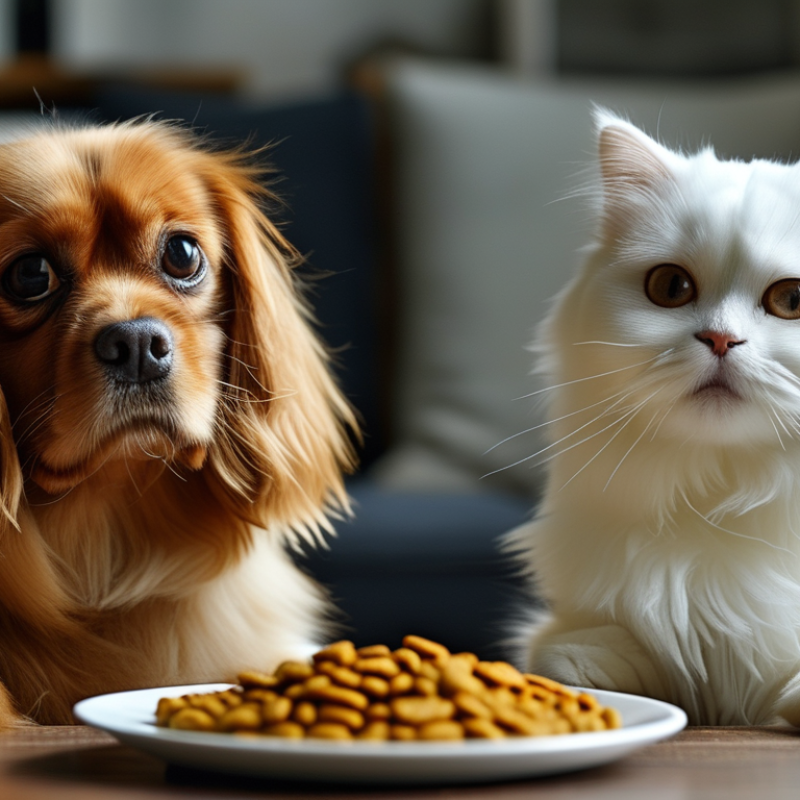
Why Do Some Pets Reject Dry Kibble 5 Common Reasons?

Reasons Related to Taste and Smell Preferences in Pets

Pets often display preferences for certain foods, which can stem from their taste and smell senses. Dogs and cats possess a keen sense of smell, and commercial dry kibble may lack the aromas they find appealing. If your pet turns its nose up at kibble, it may be seeking a richer scent. The natural smells of fresh meat or wet food can be much more enticing.

Texture also plays a significant role. Many pets prefer softer textures. Dry kibble can be hard and crunchy, unlike the appealing softness of wet food. A pet may simply find the crunch unappetizing. Additionally, the flavor compounds in some kibble may not align with what your pet finds palatable. Pets, like humans, have individual preferences that can be surprising.

A lack of exposure to varied foods could also contribute to this rejection. Pets accustomed to wet or homemade meals may resist dry kibble. Introducing new foods progressively is essential for developing an appetite for different textures. Understanding these nuances can be critical in addressing your pet's eating habits.

Impact of Texture on Pet Food Acceptance

Texture plays a critical role in pet food acceptance. Many pets exhibit preferences for certain textures over others, directly influencing their feeding habits. Research shows that around 70% of cat owners reported that their pets preferred wet food over dry kibble. The soft, moist texture of wet food mimics the natural diet of felines, making them more inclined to eat it. Similarly, dogs often show a preference for crunchier treats and kibble, but this can vary widely among individual animals.

The shape and size of kibble can also significantly affect acceptance. According to industry reports, 60% of pet owners believe that their pets reject dry kibble due to its texture. Some pets find large pieces difficult to chew, while others may simply prefer a unique mouthfeel. Ingredients that provide crunchiness or a softer chew can make a crucial difference.

Pet owners are encouraged to observe their pets closely, as texture preferences can often indicate underlying health issues or dental concerns.

Understanding these preferences is vital for pet nutrition. A pet that consistently rejects dry food may not be getting the necessary nutrients. This could lead to health problems over time. Manufacturers are increasingly focusing on creating varied textures to cater to different pet palates. The ongoing exploration of pet food texture is essential, but it also raises questions. Are we truly meeting our pets’ needs, or are we overlooking their unique preferences?

Health Issues Affecting Appetite for Dry Kibble

Many pets may turn their noses up at dry kibble due to underlying health issues. For example, dental problems can make chewing kibble uncomfortable. A study by the American Veterinary Dental College indicates that approximately 80% of dogs and 70% of cats show signs of dental disease by the age of three. These conditions can lead to pain and reluctance to eat certain foods.

Gastrointestinal disorders also play a significant role in kibble rejection. Conditions such as inflammatory bowel disease can cause discomfort and appetite loss. Research from the Journal of Veterinary Internal Medicine highlights that about 20% of pets with gastrointestinal issues exhibit food aversions. Additionally, pets suffering from arthritis might find it difficult to approach their food, especially if their bowl is elevated.

Lastly, some pets may have allergies to specific ingredients commonly found in dry kibble. Data suggests that food allergies affect 10-15% of dogs and 5-10% of cats. Symptoms such as itching or digestive upset can lead to an aversion to kibble. Recognizing these health challenges is vital for ensuring a pet's well-being and appetite.

Environmental Factors Influencing Pet Feeding Habits

Environmental factors play a pivotal role in shaping pets' feeding habits. For instance, a pet's living situation significantly impacts its dietary preferences. A study published by the Association for Pet Obesity Prevention found that pets living in noisy or chaotic environments were more likely to reject dry kibble. This suggests that stress can alter a pet's appetite, leading to selective eating behaviors.

Furthermore, the feeding practices of pet owners are often influenced by cultural attitudes towards food. A survey from the American Pet Products Association shows that 62% of pet owners prefer fresh or wet food options. This preference may stem from a desire for more palatable and nutritious meals. When pets see their owners opting for fresh foods, they may also develop a disdain for dry kibble, viewing it as less appealing.

Lastly, the sensory environment matters too. Pets are sensitive to smell and texture. Study findings show that strong odors can distract pets from their meals. Many dogs and cats may turn away from dry kibble if surrounded by enticing aromas, such as those from cooking or other pets. These sensory influences highlight the complexity of pet feeding habits, demonstrating that environment holds more significance than just meal selection.

Owner Behavior and Feeding Practices Contributing to Rejection

Many pet owners unknowingly contribute to their pets' rejection of dry kibble. The environment during feeding can greatly affect a pet's desire to eat. For instance, if a pet is anxious or distracted, they may refuse to eat. Studies show that over 50% of pets in multi-pet households show feeding-related stress. This stress can lead to a dislike for kibble, especially if they associate it with negative experiences.

Feeding practices also play a crucial role. Offering a variety of foods can create confusion. Pets often develop a preference for wet food because it smells better and is easier to chew. Research indicates that 70% of pet owners switch to wet food primarily because their pet refuses kibble. This shift can lead to a cycle where pets increasingly reject dry food. Moreover, pets may learn to be picky if they occasionally receive table scraps, reinforcing bad habits.

Understanding these behaviors is essential. Pet owners might need to evaluate their routines and feeding strategies. They must consider the emotional states of their pets. Sometimes, simply altering the feeding location or routine can improve acceptance of kibble. Addressing these factors can lead to a more balanced diet and a healthier lifestyle for pets.

Why Do Some Pets Reject Dry Kibble? 5 Common Reasons

Reason Description Percentage of Pets Affected
Taste Preferences Pets may prefer the taste of wet food or homemade meals over dry kibble. 35%
Texture Issues The texture of dry kibble may be unappealing, especially for older pets with dental problems. 25%
Health Problems Issues such as mouth pain or digestive problems can lead to a rejection of dry food. 20%
Owner Feeding Practices Inconsistent feeding practices can cause pets to develop a preference for alternatives to kibble. 15%
Boredom with Food Pets may get bored with the same dry kibble over time, leading to rejection. 5%

FAQS

: How does texture affect pet food acceptance?

: Texture significantly influences pet food preferences. Many pets favor particular textures, impacting their eating habits.

What do most cats prefer in terms of food texture?

Research indicates about 70% of cats prefer wet food over dry kibble, due to its soft and moist texture.

Do dogs have a texture preference as well?

Yes, dogs tend to prefer crunchier kibble and treats, but individual preferences can vary widely.

Can kibble shape and size impact a pet's acceptance?

Absolutely. Many pets may reject dry kibble if it's too large or doesn’t match their preferred mouthfeel.

How should pet owners handle texture preferences?

Pet owners should observe their pets closely. Texture preferences can hint at dental issues or health concerns.

What can cause pets to reject dry kibble?

Anxious feeding environments, especially in multi-pet households, can lead to food rejection due to stress.

Why might a pet owner switch to wet food?

Many switch to wet food because their pets reject dry kibble, often due to preference for better smell and chewability.

How can feeding practices influence pet food rejection?

Offering too many food varieties can confuse pets, making them more likely to reject certain foods like kibble.

What impact do table scraps have on pets’ eating habits?

Receiving table scraps can lead pets to become picky eaters, reinforcing rejection of other foods.

How can changing feeding routines help pets?

Altering the feeding location or schedule may reduce stress and improve acceptance of dry food.

Conclusion

Why do some pets refuse dry kibble? This question can be attributed to several factors impacting their feeding preferences. Firstly, the taste and smell of dry kibble may not appeal to all pets; their sensory preferences play a significant role in food acceptance. Additionally, the texture of the kibble can affect their willingness to eat it, as some pets may prefer softer or more varied food textures.

Health issues can also contribute to a decreased appetite for dry kibble, as underlying medical conditions might make it unappealing or uncomfortable for them to consume. Environmental factors, including feeding routines and the dining environment, can influence their eating habits as well. Lastly, the behavior and feeding practices of pet owners, such as the timing and method of feeding, may inadvertently encourage rejection of dry kibble. Understanding these reasons can help pet owners make more informed decisions about their pets' diets.

Liam

Liam

Liam is a dedicated marketing professional with a profound expertise in the industry, where he excels at highlighting the unique advantages of our core products. With a keen understanding of market trends and consumer needs, Liam frequently updates our company’s professional blog, providing......