How to prevent obesity in indoor cats and keep them healthy?

Time:2026-07-02 Author:Ethan
0%

Preventing obesity in indoor cats is a pressing concern for pet owners. Dr. Lisa Freeman, a respected veterinary nutritionist, emphasizes, "Managing your cat's weight starts with understanding their dietary needs." This statement highlights the need for responsible feeding practices. Indoor cats are often less active, making them more susceptible to weight gain.

Regular playtime is essential to keep them engaged. Consider interactive toys that stimulate their hunting instincts. Moreover, portion control is crucial. Measuring food and avoiding free-feeding can help maintain a healthy weight. It’s vital to choose high-quality cat food that supports their overall health.

Neglecting these practices may lead to serious health issues. Many pet owners overlook the subtle signs of weight gain. They might not recognize when their cat is becoming overweight. This oversight can result in significant long-term consequences. Keeping a close eye on your indoor cat’s weight is essential. Remember, preventing obesity in indoor cats requires commitment and a thoughtful approach.
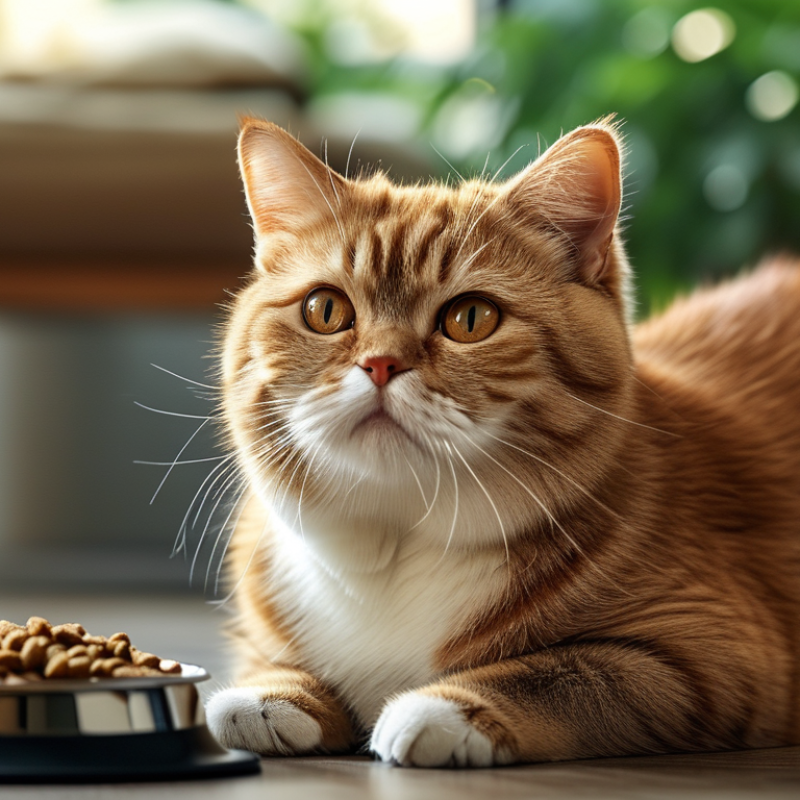
How to prevent obesity in indoor cats and keep them healthy?

Understanding the Causes of Obesity in Indoor Cats

Obesity in indoor cats is a growing concern. Recent studies show that about 60% of pet cats in the U.S. are overweight or obese. This alarming statistic highlights the need for better understanding of the underlying causes. Sedentary lifestyles contribute significantly to weight gain. Indoor cats often have limited space to exercise and play. Lack of physical activity leads to increased body fat over time.

Diet also plays a crucial role. Many pet owners unknowingly overfeed their cats. The Association for Pet Obesity Prevention reports that feeding practices directly correlate with obesity rates. High-calorie commercial foods are often preferred, but they can lead to weight issues when not properly managed. Moreover, some cats may have a genetic predisposition to obesity, making weight management even more challenging.

Behavioral factors contribute to this problem too. Stress and boredom can drive cats to eat more. Indoor environments may lack stimulation, leading to overeating as a coping mechanism. Providing toys and interactive play can mitigate this issue. However, many owners still overlook this aspect. Adjusting feeding schedules and portion control are also vital. The solutions seem simple, yet they often require consistent effort and awareness from cat owners.

Establishing a Balanced Diet for Indoor Cats

Establishing a balanced diet for indoor cats is crucial for their health. Indoor cats have different needs compared to outdoor cats. They tend to be less active, which can lead to weight gain. Choosing the right type of food helps manage their weight. Look for high-quality cat food that has a good balance of protein and fat.

Portion control is essential. Measure food servings to avoid overfeeding. Cats thrive on routine. Setting a feeding schedule helps regulate their eating habits. Remember, treats should only make up a small part of their diet. Too many treats can lead to obesity.

It's also important to stay alert for weight changes. If your cat seems less active or is gaining weight, revisit their diet. Consult a veterinarian for tailored advice. Adapting your cat's diet can require some trial and error. Each cat is unique. Finding the right balance may take time.

Incorporating Regular Exercise into Your Cat's Routine

Keeping indoor cats healthy requires regular exercise. Cats often lack the outdoor activity they need. This can lead to weight gain and health issues. Establishing a play routine is essential. Aim for at least 15 minutes of playtime every day. This can include interactive games like laser pointers or feather wands. Cats love to chase and pounce, which mimics their natural hunting behavior.

Incorporating furniture like scratching posts or climbing trees can also stimulate activity. Cats enjoy exploring vertical spaces. You might notice your cat becoming more active when they have a high perch. However, it's important to remember that not all cats will immediately embrace exercise. Some may be shy or prefer solitude. Patience is key. You might need to try several activities to find what excites your cat.

Creating a stimulating environment is crucial as well. Toys that encourage independent play can keep your cat engaged when you're busy. Rotating toys can maintain interest. It's important to assess your cat's response to different exercises. Not every cat will thrive with the same routine. Understanding your cat's personality and preferences can help you fine-tune their activity levels.

How to prevent obesity in indoor cats and keep them healthy? - Incorporating Regular Exercise into Your Cat's Routine

Activity Type Duration (minutes) Frequency (times per week) Calories Burned
Interactive Play (Toys) 15 5 40
Laser Pointer Chase 10 3 30
Cat Wheel 20 4 50
Fetch with Ball 15 3 35
Climbing (Cat Tree) 30 6 60

Creating a Stimulating Environment for Mental Engagement

Creating a stimulating environment for indoor cats is essential for their mental engagement and overall health. Cats naturally crave mental and physical stimulation. Without proper outlets, they often become bored and sedentary, leading to obesity. According to the Association for Pet Obesity Prevention, an estimated 60% of cats in the United States are overweight or obese. Providing an engaging environment can help combat this trend.

Incorporate interactive toys and puzzles that challenge your cat's problem-solving skills. Toys that dispense treats can motivate them to play longer. Rotating toys regularly can also keep their interest alive. Cats need variety. Scratching posts and climbing trees also encourage exercise. These elements mimic a more natural environment, countering boredom.

Tips: Designate specific playtimes each day. Use laser pointers or feather wands to provoke their hunting instincts. Even short sessions of 10-15 minutes can make a big difference. Encourage explorative behavior by hiding treats around your home. A little creativity can lead to significant health benefits for your feline friend. Remember, a mentally stimulated cat is more likely to remain active and healthy.

Monitoring Your Cat's Weight and Health Regularly

Monitoring your indoor cat's weight and health is crucial to preventing obesity. According to a study by the Association for Pet Obesity Prevention, about 60% of cats in the United States are overweight or obese. Regular weigh-ins can help you track changes. Ideally, weigh your cat monthly. Small fluctuations are normal, but significant changes can be concerning.

In addition to monitoring weight, pay attention to your cat's diet and activity levels. Indoor cats often lead sedentary lives, which can lead to weight gain. Provide engaging toys and playtime to encourage exercise. A study published in the Journal of Veterinary Internal Medicine found that interactive play can help reduce body weight significantly in overweight cats.

Keep a log of your cat's daily habits. Document their food intake and activity duration. This reflection can help identify patterns that may contribute to obesity. If you notice your cat gaining weight, consider consulting a veterinarian. Professional guidance is vital. They can help create a tailored plan for your cat’s specific needs. Regular health check-ups can also catch potential issues early, ensuring your cat stays healthy.

Monitoring Your Cat's Weight and Health Regularly

FAQS

: Why is regular exercise important for indoor cats?

: Indoor cats often lack outdoor activity, leading to weight gain and health issues. Regular exercise helps maintain their health.

How much playtime should I provide for my cat daily?

Aim for at least 15 minutes of playtime each day to keep your cat active and engaged.

What types of play activities do cats enjoy?

Cats enjoy interactive games like laser pointers and feather wands. They also like to chase and pounce.

How can I create a stimulating environment for my cat?

Incorporate furniture like scratching posts and climbing trees. Toys that encourage independent play also help keep them engaged.

What if my cat is shy or resistant to exercise?

Patience is key. Try different activities and give your cat time to adjust. Not all cats embrace exercise immediately.

How often should I weigh my cat?

Ideally, weigh your cat monthly to monitor any significant weight changes. Small fluctuations are normal, but be cautious with big shifts.

What can I do to track my cat's habits?

Keep a log of food intake and activity duration. This can help identify patterns related to weight and health.

When should I consult a veterinarian about my cat's weight?

If you notice significant weight gain, seek professional guidance for a tailored plan to maintain your cat's health.

Can playtime really help with a cat's weight management?

Yes, interactive play can significantly reduce body weight in overweight cats, according to research in veterinary studies.

How can I engage my cat if I am busy?

Use toys that promote independent play and rotate them regularly to maintain your cat's interest even when you're occupied.

Conclusion

Obesity in indoor cats is a growing concern that can lead to serious health issues. To answer the question, "How to prevent obesity in indoor cats?" it's essential to understand its causes, which often include overfeeding and a lack of physical activity. Establishing a balanced diet tailored to your cat’s needs is crucial, as well as incorporating regular exercise into their daily routine. Engaging them in playtime helps burn calories and maintain a healthy weight.

Additionally, creating a stimulating environment enriches their mental engagement, encouraging them to move around and explore. Regularly monitoring your cat’s weight and overall health is vital for early detection of any weight issues. By following these strategies, cat owners can promote a healthier lifestyle for their indoor pets and prevent the complications associated with obesity.

Ethan

Ethan

Ethan is a seasoned marketing professional with a deep expertise in our company's innovative product line. With a passion for sharing knowledge and insights, he takes the lead in regularly updating our corporate blog, where he explores industry trends, product features, and effective marketing......