How to Prevent Dental Issues in Pets with Proper Food?

Time:2026-05-19 Author:Amelia
0%

Dental health is crucial for our pets, yet many owners overlook it. A pet's diet plays a vital role in preventing dental issues. Feeding the right food can help maintain healthy teeth and gums. How to prevent dental issues with pet food? This question is essential for every pet owner.

Veterinarians emphasize the importance of nutrition in oral health. Hard kibble can reduce plaque build-up, acting like a toothbrush. Some pet foods are specifically designed to promote dental hygiene. However, not all pet foods are equal. Owners should research ingredients and consult with professionals.

While many pet owners are aware of dental care, the execution often falls short. Regular vet check-ups and dental cleanings are just as important. Choosing the right food is a proactive step. But it’s only one part of the bigger picture. Continual education on pet nutrition is crucial for preventing issues down the line. Each choice in a pet's diet can make a significant difference.
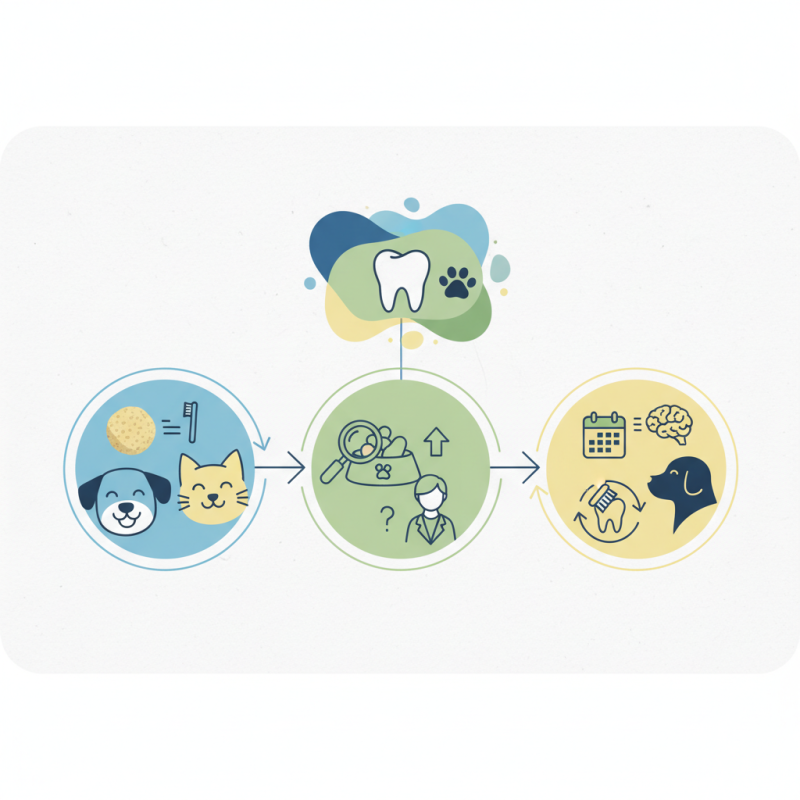
How to Prevent Dental Issues in Pets with Proper Food?

Choosing the Right Type of Food for Your Pet's Dental Health

Choosing the right type of food for your pet's dental health is crucial. Many pet owners overlook this vital aspect. Proper nutrition directly impacts your pet’s oral hygiene. A balanced diet helps prevent tartar buildup and gum disease. Look for high-quality food with natural ingredients to support overall health.

Tips: Incorporate dental chews in your pet’s routine. These can help remove plaque. Always check for the Veterinary Oral Health Council (VOHC) seal, which indicates dental effectiveness.

Canned food can be convenient, but dry kibble often aids in cleaning teeth as pets chew. Some pets may prefer wet food, but it can lead to dental problems. Regular dental check-ups are essential. Talk to your vet about the best food options tailored to your pet's health. Adding some raw vegetables occasionally can help too.

Consider that not every pet will like the same food. Experiment with different textures and flavors to find what they enjoy. Pay attention to how their teeth respond over time. Adjust their diet based on their dental health needs for a happier and healthier pet.

Understanding the Importance of Dental Nutrition for Pets

Dental nutrition plays a crucial role in maintaining your pet's oral health. Many pet owners overlook the significance of proper food. Yet, what pets eat directly affects their teeth and gums. Nutritional choices impact plaque buildup and gum disease. Feeding your pets high-quality, balanced diets can help prevent these common dental issues.

Consider the texture of food. Crunchy kibble can help reduce tartar buildup. Similarly, treats made specifically for dental care can be beneficial. Look for options that promote chewing. Chewing helps clean teeth naturally. However, not all pets will benefit equally from the same diet. Some pets may require specialized nutrition due to age or dental conditions.

It’s important to recognize that just changing food is not enough. Regular check-ups are essential. Even with a good diet, some pets may still need professional cleanings. Many pet owners struggle to maintain a consistent dental routine. Dental health can be easily overshadowed by other care priorities. Making dental nutrition a priority is a step towards better overall health for your pet.

Identifying Harmful Ingredients in Pet Foods

Pet dental health is often overlooked, but it largely hinges on what our pets eat. Many common pet foods contain harmful ingredients that can lead to dental issues. For instance, ingredients high in sugars and carbohydrates can feed harmful bacteria in your pet's mouth, leading to plaque and tartar buildup.

A study from the Veterinary Oral Health Council revealed that over 80% of dogs show signs of dental disease by age three. This underlines the importance of vigilance when selecting pet food. Certain fillers, like corn and soy, can also contribute to inflammation in your pet’s gums. Owners must read labels carefully and identify harmful additives, such as artificial preservatives and colors, which offer no nutritional value.

Moreover, some so-called "natural" pet foods may still include harmful ingredients. Ingredients like propylene glycol and some forms of meat meal can be problematic. It is essential to consult a veterinary nutritionist for guidance in choosing safe and healthy food. By becoming more informed and cautious, pet owners can actively prevent dental issues and enhance their pets' overall health.

Implementing a Regular Dental Care Routine Alongside Proper Nutrition

A regular dental care routine is essential for pet health. Many pet owners overlook this aspect. Studies show that about 80% of dogs and 70% of cats develop dental disease by age three. This statistic highlights the importance of proactive care.

Implementing proper nutrition is vital. High-quality diets can reduce plaque and tartar buildup. Ingredients like fiber can help scrub teeth naturally during chewing. However, not all pet foods provide these benefits. Some contain fillers that do little for oral health. It's important to check feeding guidelines and consult a veterinarian.

Daily dental care, combined with appropriate nutrition, creates a comprehensive approach. Brushing your pet's teeth can be challenging but offers significant benefits. Dental treats can aid in cleaning, but they should not replace brushing. Regular vet check-ups are crucial. They can identify dental issues in early stages. Awareness and commitment to both nutrition and dental care can make a real difference.

Monitoring Your Pet’s Dental Health to Prevent Issues Early

Monitoring your pet’s dental health is crucial to prevent dental issues early. According to the American Veterinary Dental College, about 80% of dogs and 70% of cats show signs of oral disease by age three. Early detection can make a significant difference. Regular check-ups are essential. You can spot problems like tartar buildup or gum inflammation.

At home, observe your pet’s behavior. Bad breath can indicate dental trouble. Changes in eating habits may also be a warning sign. Incorporating dental treats can help, but they shouldn’t replace regular vet visits. Nutritional choices matter too. A diet rich in fiber can promote oral health.

Document any changes you notice. Keeping a log can aid your veterinarian. It’s possible to overlook early signs of decay. Awareness helps us act sooner. Dental health is often neglected, leading to severe conditions. Regular monitoring prevents small problems from becoming major issues. The effort to maintain dental health is worth it for your pet’s overall well-being.

Monitoring Your Pet’s Dental Health

This chart shows the percentage of pets experiencing dental issues grouped by age. Early monitoring and proper dental care can significantly reduce these percentages and improve pets' overall health.

FAQS

: Why is dental nutrition important for pets?

: Dental nutrition helps maintain oral health and prevent plaque buildup and gum disease. It’s crucial for overall health.

What types of food are best for dental health?

Crunchy kibble and dental-care treats can reduce tartar buildup. Chewing these foods helps clean teeth naturally.

Can changing a pet's diet alone ensure good dental health?

No, changing food isn’t enough. Regular vet check-ups are essential for maintaining dental health and addressing issues.

What harmful ingredients should I watch for in pet foods?

Foods high in sugars, carbohydrates, and certain fillers can harm dental health. Read labels carefully to avoid these.

How can I monitor my pet's dental health at home?

Observe behavior, watch for bad breath, and note eating habits. Small changes could indicate dental problems needing attention.

What role do dental treats play in my pet's dental care?

Dental treats can help, but they shouldn’t replace vet visits. They can assist in cleaning teeth but are not a cure.

What if my pet shows signs of dental issues?

Document any changes and consult your veterinarian. Early detection is crucial to prevent more severe dental problems.

How does a high-fiber diet benefit my pet’s dental health?

A high-fiber diet can promote oral health by aiding in cleaning teeth and reducing plaque buildup effectively.

Is it common for pets to develop dental issues?

Yes, many pets show signs of dental disease by age three. Early intervention is key to managing these issues.

How can I make dental nutrition a priority for my pet?

Incorporate dental-friendly foods, maintain a consistent check-up schedule, and educate yourself about pet nutrition continuously.

Conclusion

To address the question of "How to prevent dental issues with pet food?", it is essential to choose the right type of food that supports your pet's dental health. Foods specifically formulated for dental nutrition can help reduce plaque buildup and promote overall oral hygiene. Understanding the importance of nutritional content is critical, as certain harmful ingredients in pet foods can contribute to dental problems.

In addition to selecting appropriate food, implementing a regular dental care routine is vital. Regular brushing and dental check-ups, combined with proper nutrition, can significantly lower the risk of dental issues. It is equally important to monitor your pet’s dental health for early signs of trouble, ensuring that any potential issues are addressed promptly to maintain their overall well-being.

Amelia

Amelia

Amelia is a seasoned marketing professional with a wealth of expertise in our company’s core offerings. With an unwavering passion for driving growth and innovation, she plays a pivotal role in shaping our marketing strategies and enhancing brand visibility. A key aspect of her responsibilities......