Managing food allergies in cats is crucial for their health and well-being. Dr. Sarah Johnson, a leading veterinary nutritionist, emphasizes the importance of understanding your cat's dietary needs. She once said, “Identifying the right diet is key to managing food allergies in cats.” This underscores the significance of tailored nutrition in allergy management.
Food allergies can lead to serious health issues in cats. Symptoms may include itching, gastrointestinal problems, and skin irritations. Recognizing these signs early is vital. However, many pet owners often overlook or misinterpret these symptoms. Understanding how to manage food allergies in cats requires knowledge, patience, and sometimes, trial and error.
Consulting with a veterinarian is essential for proper diagnosis and treatment options. Avoiding common allergens in commercial cat foods is a start, but it might not be enough. Owners may need to explore limited ingredient diets or hypoallergenic options. Furthermore, maintaining a food diary helps track reactions to specific ingredients. Overall, the journey to effectively manage food allergies in cats can be complex and requires dedication from pet owners.
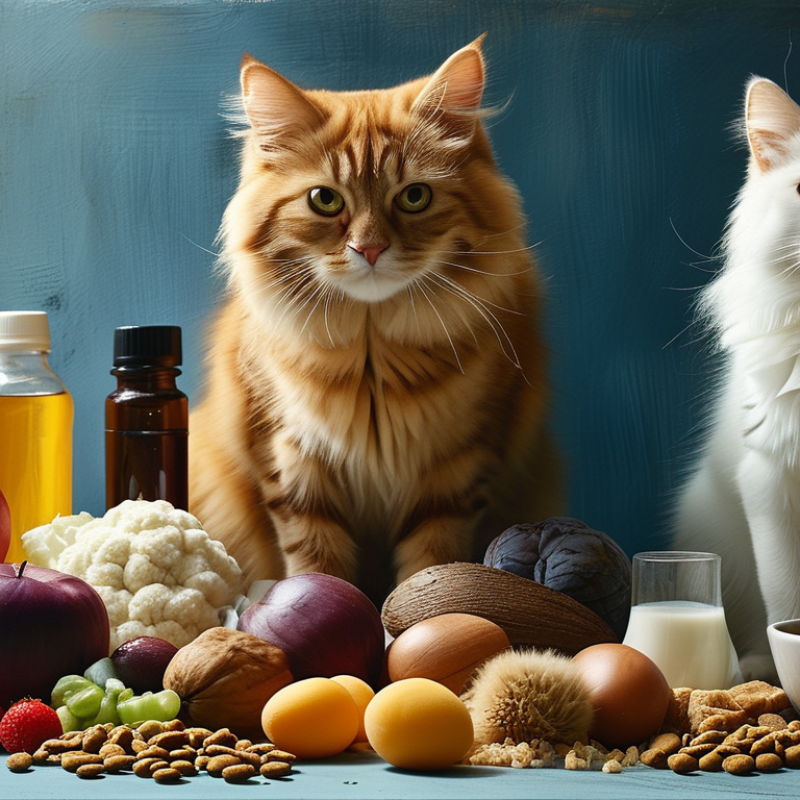
Identifying Common Food Allergies in Cats
Identifying common food allergies in cats is crucial for your feline’s health. Cats can be allergic to various ingredients found in their food. Proteins like chicken, beef, and fish are common culprits. Some cats also react to grains like wheat or corn. Observing your cat’s behavior and symptoms helps in pinpointing the issue.
Look for signs such as itching, gastrointestinal problems, or skin irritation. A cat may scratch more than usual or develop rashes. Symptoms can vary, so careful attention is necessary. Consider keeping a food diary to track what your cat eats and any reactions that follow. This can help you and your veterinarian make an informed decision.
Not all cats will react the same way. Some may show mild symptoms, while others suffer severely. It’s important to consult with a veterinarian for proper diagnosis. Testing may involve elimination diets or allergy tests. Managing food allergies is a process that requires patience. Every cat is unique and may respond differently to various dietary changes.
Symptoms of Food Allergies in Cats
Food allergies in cats can manifest in various ways. Common symptoms include itching, digestive issues, and skin inflammation. According to recent studies, nearly 10% of cats are affected by food allergies. These allergies can lead to discomfort and behavioral changes. Cats may scratch excessively or develop hot spots. Digestive disturbances like vomiting and diarrhea can occur too.
One tip to manage food allergies is to maintain a food diary. Record your cat's diet and any symptoms observed. This can help pinpoint potential allergens. Another effective strategy is to introduce a limited-ingredient diet under veterinary guidance. This allows for better monitoring and identification of problematic ingredients.
If symptoms persist, consider consulting a veterinary dermatologist. They can conduct tests to identify specific allergies. It's crucial not to self-diagnose. Each cat's reaction to allergens can vary. Understanding your cat’s unique symptoms can lead to better management. Monitor their health regularly to minimize issues.
Steps to Diagnose Food Allergies in Your Cat
Diagnosing food allergies in cats requires careful observation and testing. Keep a detailed log of your cat's diet and any signs of distress. Symptoms like itching, gastrointestinal upset, or excessive grooming can indicate an allergy. According to the American College of Veterinary Dermatology, over 10% of cats suffer from food allergies. This data highlights the importance of thorough documentation.
Elimination diets are an effective method to identify allergens. Remove all common allergens for at least eight weeks. After this period, gradually reintroduce one ingredient at a time. Monitor for any reactions that occur. Professional guidance can enhance the accuracy of this process. A veterinary dermatologist can provide insights, especially with severe cases.
Testing can also supplement this method. Blood tests and skin tests may identify specific allergens. However, these tests are not always conclusive. Many veterinarians recommend a combination of observational techniques and testing. Misdiagnosis can lead to ongoing issues. Therefore, always consult with a professional who understands feline nutrition. This approach ensures a systematic evaluation of food allergies.
Effective Dietary Management for Allergic Cats
Managing food allergies in cats requires careful dietary strategies. Allergic reactions can vary greatly among felines. Many cats may react to common ingredients like chicken, fish, or grains. An elimination diet is often the first step. This method involves removing suspected allergens from your cat's diet for several weeks.
During this period, observe your cat closely for any changes in skin condition, digestion, or behavior. You may notice fewer itching episodes or improved fur texture. If symptoms improve, you can gradually reintroduce one ingredient at a time. This helps identify the specific allergens. Consult with a veterinarian for guidance. Your vet can provide insights into effective testing and treatment options.
Here are some tips for managing your cat's diet:
- Choose a high-quality, limited-ingredient diet. This helps to simplify the ingredients and reduce allergy triggers.
- Keep treats minimal and ensure they’re free from allergens. Homemade snacks can be a safer choice.
- Maintain a consistent feeding schedule. Regularity can help keep your cat's digestive system stable.
Monitoring your cat’s response to changes is vital. Reflect on different foods and their impacts. Each cat’s needs differ. Tailoring their diet is essential to successful management.
How to Manage Food Allergies in Cats Effectively? - Effective Dietary Management for Allergic Cats
| Cat Breed |
Common Allergens |
Recommended Diet |
Symptoms of Allergy |
Management Tips |
| Siamese |
Fish, Dairy |
Hypoallergenic Dry Food |
Itching, Skin Lesions |
Gradual Diet Transition |
| Persian |
Wheat, Corn |
Limited Ingredient Diet |
Vomiting, Diarrhea |
Regular Vet Check-ups |
| Maine Coon |
Beef, Chicken |
Novel Protein Diet |
Ear Infections, Red Eyes |
Track Food Intake |
| British Shorthair |
Soy, Peas |
Vegetarian Options |
Lethargy, Poor Coat Quality |
Consult a Vet for Alternatives |
Consulting with a Veterinarian for Allergy Management
Managing food allergies in cats is a complex process that requires veterinary expertise. Consulting with a veterinarian is crucial for accurate diagnosis and effective management. According to a 2021 study published in the Journal of Veterinary Internal Medicine, food allergies account for about 10% of all allergic reactions in cats. Understanding this can help cat owners take proactive measures.
Veterinarians can conduct skin tests or blood tests to identify allergens specific to each cat. For instance, dietary trials involving novel proteins may be recommended. It’s essential to monitor your cat's response during this period. A study from the American Journal of Veterinary Research indicates that around 70% of cats improve with a properly managed diet. However, some cats may still experience symptoms, indicating a need for continuous adjustments and alternative strategies.
Regular check-ups with a veterinarian ensure that any new allergies are identified promptly. Cat owners should maintain an open dialogue with their vet. This approach helps in fine-tuning dietary plans and exploring other management options. While managing food allergies can be challenging, involving a professional can bring about significant improvements for your cat’s quality of life.
Conclusion
Managing food allergies in cats can be challenging, but understanding the process can significantly improve your pet's quality of life. To effectively address the issue, it's essential to start by identifying common allergens that affect cats and recognizing the symptoms associated with these allergies. Typical signs include itching, gastrointestinal upset, and skin issues.
The next step is to accurately diagnose the specific food allergies through elimination diets and possibly consultation with a veterinarian. Once a diagnosis is made, effective dietary management is crucial to avoid allergens while ensuring a balanced diet. Importantly, regularly consulting with a veterinarian will provide tailored advice and support, making it easier to manage food allergies in cats. By following these steps, cat owners will be better equipped to answer the question: How to manage food allergies in cats?

 Pdara Pet