Storing pet food properly is crucial for keeping it fresh. Many pet owners wonder, "How to store pet food for maximum freshness?" The way you store food can impact its quality and your pet's health. Choosing the right storage method ensures nutrients stay intact.
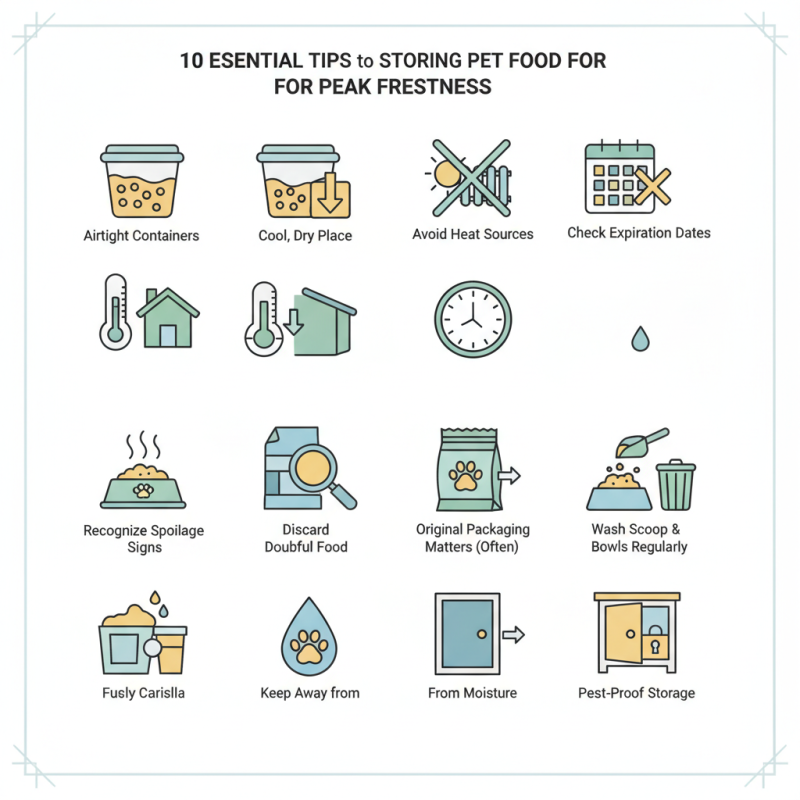
Firstly, sealing pet food in airtight containers is key. This prevents air, moisture, and pests from ruining the food. Temperature also matters. Storing food in a cool, dry place extends its shelf life. Avoid keeping it near heat sources, which can degrade quality.
Lastly, always check expiration dates on packaging. While some food may still look fine, it can lose nutritional value. Understanding the signs of spoiled food is essential. Trust your instincts, and do not hesitate to discard questionable items. Keeping your pet’s food fresh requires attention and care.
Choosing the right storage container for pet food is crucial for maintaining its freshness. Many pet owners underestimate this aspect. According to a report by the American Pet Products Association, around 70% of pet owners buy food in bulk, yet less than half use proper storage methods. This can result in reduced quality and shorter shelf life.
When selecting containers, opt for airtight options. Airtight containers prevent air and moisture from spoiling the food. Look for materials like high-quality plastic or metal, which are durable. However, not all containers are created equal. Some might leach harmful chemicals, especially in hot conditions. Always check for food-safe labels to ensure safety.
Consider using opaque containers. Light can degrade the vitamins in pet food over time. A study from the Journal of Animal Science revealed that exposure to light can significantly reduce the nutritional value. Store in a cool, dry location away from direct sunlight. Many overlook this simple detail, thinking it won't impact quality, but it can make a difference. Always remember, the goal is to keep pet food as fresh and nutritious as possible.
Temperature plays a crucial role in maintaining the freshness of pet food. Studies show that storing pet food at elevated temperatures can lead to nutrient degradation. For instance, a report from the Journal of Animal Nutrition highlights that high temperatures can decrease vitamin levels by up to 50% within just a month. This is vital for pet owners to consider when selecting storage options.
Proper storage solutions can mitigate these effects. Experts recommend keeping pet food in airtight containers. This helps to minimize exposure to air, humidity, and temperature fluctuations. According to the American Veterinary Medical Association, a stable environment can prolong the shelf life of pet food. Aim to store food in a cool, dry place. Ideally, temperatures should remain below 70°F (21°C).
Many pet owners overlook temperature, focusing instead on expiration dates. However, it’s important to recognize that the temperature at which food is stored can be just as impactful. Animal nutritionists emphasize that improper storage may lead to rancidity and mold growth, which can harm pets. Regularly check storage areas and containers for any signs of spoilage.
Maintaining optimal humidity levels is crucial for storing pet food. Ideally, pet food should be kept in a cool, dry place with humidity levels around 15% or lower. High humidity can lead to mold growth and compromised nutritional quality. Research indicates that pet food stored in humid environments can spoil significantly faster, losing essential nutrients.
To ensure freshness, consider using airtight containers. These containers limit exposure to moisture and air. A study shows that pet food stored in sealed containers can retain freshness for twice as long compared to bags left open. Regularly check the seals on these containers. Even a small crack can let in humidity and spoil the food.
Monitoring your storage environment is key. Use a hygrometer to measure humidity levels. Aim for a balance; too dry can make food stale, while too moist can encourage pests. Regularly reconsider your storage strategies and adjust as needed. Over time, you may notice subtle differences in how your pet responds to food based on storage conditions. It's worth the effort for your pet's health.
When it comes to pet food, freshness is crucial. Degraded food can lead to health issues for pets. Signs of degradation include changes in color, texture, and odor. For example, dry food should maintain a consistent color. If it appears faded or discolored, it may be stale. Wet food can develop a foul smell. This indicates spoilage and should be discarded immediately.
A study by the Association of American Feed Control Officials (AAFCO) highlights that improper storage can shorten a pet food's shelf life. Exposure to air and moisture can lead to oxidation. This can diminish the essential nutrients in the food. Pet owners should look for crumbling kibble or dried-out cans. Such changes mean it’s time to replace the food.
Additionally, check the expiration date on packaging. Even unopened bags can lose their efficacy over time. Research shows that most pet food remains viable for 6-12 months post-expiration. However, this can vary based on storage conditions. Remember that pets may not always show immediate signs of eating spoiled food. The potential health risks are significant and warrant vigilance.
| Tip | Description | Signs of Degradation | Recommended Action |
|---|---|---|---|
| 1. Keep in Original Packaging | Store pet food in its original, sealed bag to retain freshness. | Rancid smell, oiliness | Replace if noticeable odor develops. |
| 2. Use Airtight Containers | Transfer food to an airtight container to protect from air exposure. | Loss of smell, discoloration | Replace if color changes or aroma diminishes. |
| 3. Store in a Cool, Dry Place | Keep food in a stable temperature environment away from heat sources. | Mold growth, unpleasant smell | Discard immediately if mold is present. |
| 4. Check Expiration Dates | Always check the expiration date before feeding. | Any food past the date | Dispose of expired food. |
| 5. Use Within Recommended Time | Utilize opened bags of food within 4-6 weeks. | Poor texture, musty smell | Finish or throw away food after the timeline. |
| 6. Avoid Mixing Old and New | Do not combine new food with old; this can cause spoilage. | Uneven texture, bad smell | Start fresh with new food only. |
| 7. Clean Food Storage Area Regularly | Keep storage areas clean and dry to prevent pest infestations. | Presence of insects or critters | Clean out immediately and sanitize area. |
| 8. Monitor for Pests | Check for pest infestations periodically. | Visible pests or droppings | Dispose of contaminated food and treat area. |
| 9. Label Containers | Label containers with purchase date and type of food. | Confusion about food age or type | Reorganize or dispose as needed. |
| 10. Educate Yourself | Stay informed about best practices for pet nutrition and storage. | Inconsistent pet behavior or health issues | Consult a vet and adjust feeding guidelines. |
When it comes to storing pet food, labeling and date tracking are crucial. Properly labeling your pet food can save you time and ensure you’re feeding your pet the freshest options. Always write down the purchase date and the expiration date. This simple step can help monitor the shelf life.
Rotate the food in your pantry regularly. If you buy in bulk, older bags should be at the front. Keep an eye on any signs of spoilage. If the food has an unusual smell, toss it. This habit ensures you’re always feeding your pet high-quality food.
Consider creating a dedicated bin for pet food storage. Make sure the bin is airtight. This protects the food from pests and preserves freshness. Tracking the dates helps you avoid feeding expired food, keeping your pet happy and healthy.
: The right container maintains freshness and quality, extending shelf life.
Opt for airtight containers made of high-quality plastic or metal for durability.
Yes, some containers may leach chemicals in hot conditions. Check for food-safe labels.
Opaque containers block light, protecting vitamins and nutrients from degradation.
Store pet food in a cool, dry place, away from direct sunlight.
Labeling helps track purchase and expiration dates, ensuring fresher food for pets.
Regularly rotate food in your pantry and check for unusual smells before feeding.
Yes, a dedicated, airtight bin protects food from pests and preserves freshness.
Unusual smells or visible changes can signal spoilage. Trust your senses.
Small details matter. Proper storage ensures your pet remains happy and healthy.
Proper storage of pet food is crucial for maintaining its freshness and quality. To achieve this, understanding how to store pet food for maximum freshness involves selecting the right storage containers that are airtight and designed to keep out moisture and pests. Additionally, monitoring the temperature and ensuring it remains stable is vital, as extreme heat can negatively impact the food’s nutritional value.
Maintaining optimal humidity levels is also essential; dry environments help prevent mold and spoilage. Pet owners should be vigilant for signs of degradation, such as changes in smell, texture, or color, which indicate when it's time to replace the food. Finally, implementing best practices for labeling and date tracking ensures that fresh food is always available for your furry companions, ultimately contributing to their health and well-being.

Pdara Pet