China Top Puppy and Kitten Food How to Choose?

Time:2026-11-10 Author:Ethan
0%

Choosing food for a young pet can feel simple until you face a shelf of colorful bags and confident claims. China’s puppy and kitten food market offers many options, but a familiar brand name does not guarantee a suitable formula. How to pick the right food for puppies and kittens? Begin with age, species, expected adult size, and any health concerns. Puppies and kittens grow quickly. Their nutritional needs differ from those of adult animals.

Veterinary nutritionist Dr. Lisa M. Freeman, DVM, PhD, DACVN, has emphasized assessing nutritional adequacy, manufacturer expertise, and each pet’s individual needs. In paraphrase, her guidance is: look beyond marketing and evaluate the food and the company behind it. Check that the product is labeled as complete and balanced for growth, and review its feeding directions. A tiny kitten and a large-breed puppy do not follow the same nutritional path. Ask your veterinarian for advice when growth, digestion, or appetite raises concern.

This guide explores how to compare popular puppy and kitten foods in China, read labels, and judge practical details such as package size and feeding cost. It also considers ingredient lists without treating any single ingredient as proof of quality. That distinction is easy to miss. No checklist can replace observing your pet over time, and even careful choices may need adjustment. A healthy appetite, steady growth, and regular veterinary checkups provide useful context. The aim is not to find a perfect-sounding package, but a nutritionally appropriate food your young companion can thrive on.
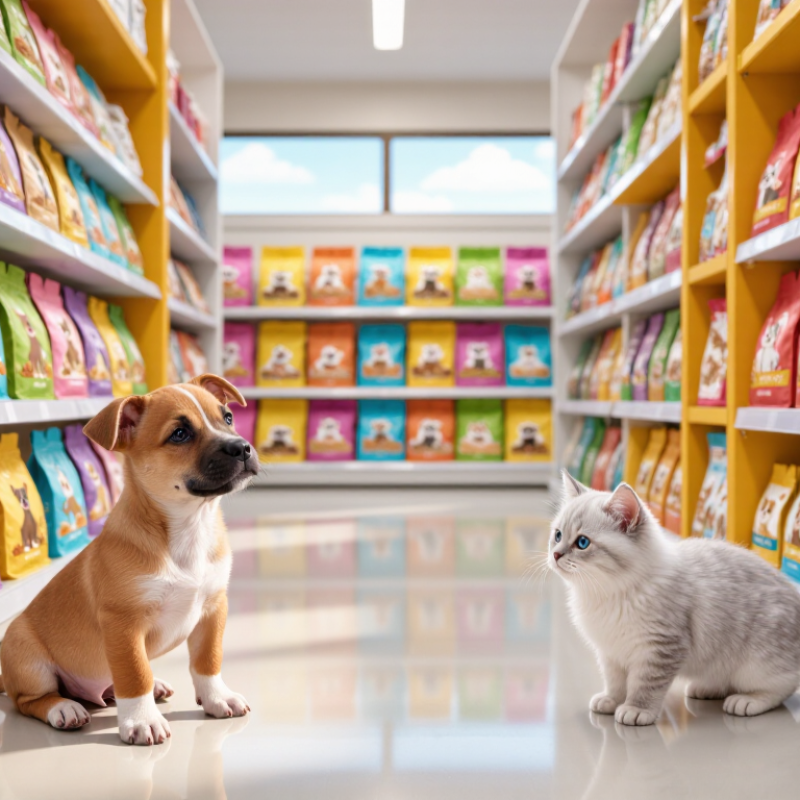
China Top Puppy and Kitten Food How to Choose?

Understand the Nutritional Needs of Puppies and Kittens

Puppies and kittens are not simply smaller adults. During rapid growth, they need diets formulated for growth, with sufficient energy, quality protein, and carefully balanced minerals. Look for wording that says the food is complete and balanced for the animal’s life stage. Large-breed puppies need especially careful energy and calcium balance, so avoid adding supplements unless a veterinarian recommends them. Kittens also need taurine and other nutrients supplied by an appropriate complete diet. Tiny bodies, big demands.

Feeding needs change with age, expected adult size, activity, and health. Use the feeding guide as a starting point, then measure portions with a kitchen scale or marked cup. Check body condition weekly: ribs should be easy to feel beneath a light covering, not sharply visible. Keep fresh water available. I used to think an empty bowl meant a hungry pet; that is not a reliable signal.

Feed young pets several small meals daily, following veterinary guidance and the food’s directions. Change diets gradually over about a week, watching stool, appetite, and energy. Persistent diarrhea, poor growth, a dull coat, or sudden appetite changes deserve a veterinary check. No feeding chart fits every pet or household. For a young animal with special needs, ask a veterinarian to review its diet and growth pattern.

Check Ingredients, Nutrient Profiles, and Life-Stage Labels

When comparing puppy and kitten food, turn the package over and read the ingredient list, not just the pictures on the front. Ingredients are generally listed by weight, so the first few offer useful clues, but they do not tell the whole story. Look for clearly identified animal or plant ingredients and note any items your pet has reacted to before. Small print matters.

Next, check the nutrient profile. Protein and fat support growth, while minerals such as calcium and phosphorus also matter during development. The guaranteed analysis can help you compare products, but its figures alone do not show how well nutrients are absorbed or whether the food suits an individual animal. A shiny coat is reassuring, but it is not a complete nutrition assessment. Ask your veterinarian about persistent digestive upset, poor growth, or unusual changes in appetite.

Life-stage labels deserve close attention. Puppies and kittens have different needs from adult pets, and their growth rates vary by breed and individual. Choose food labeled as complete and balanced for growth or the appropriate life stage, checking what that claim means under local standards. Tiny kibble can be easier to manage, though size alone does not make a diet suitable. I still find labels confusing at times; when details conflict, seek veterinary guidance rather than guessing.

China Top Puppy and Kitten Food How to Choose? — Check Ingredients, Nutrient Profiles, and Life-Stage Labels

What to Check Puppy Food Kitten Food How to Evaluate the Label
Life-stage statement Look for food described as complete for growth, or for all life stages. Look for food described as complete for growth, or for all life stages. Check that the statement applies to the correct species. “For intermittent or supplemental feeding only” does not mean the food is intended as a sole diet.
Protein and fat Growth diets need adequate protein and energy to support developing tissues and activity. Kittens need energy-dense food and sufficient protein to support rapid growth. Compare nutrients on the same basis. Guaranteed-analysis figures are often “as fed”; moisture affects comparisons. For a more meaningful comparison, use dry-matter values or calories per serving.
Minerals for growth Calcium and phosphorus must be supplied in suitable amounts and balance for skeletal development. Calcium and phosphorus also matter for normal bone development. Where amounts are disclosed, review both minerals and their ratio. AAFCO growth profiles are one international reference; they are not, by themselves, proof of compliance with Chinese requirements.
Species-specific nutrients Dogs can synthesize taurine from other amino acids, although needs may vary with diet and individual health. Taurine is an essential nutrient for cats and must be provided in the diet. Choose a food formulated for the correct species. Do not substitute dog food for a cat’s complete diet; nutritional requirements differ.
Ingredient list Check that ingredients are clearly identified and appropriate for dogs. Check that ingredients are clearly identified and appropriate for cats. Ingredients are generally listed by weight before processing. The list alone does not show digestibility, finished-food nutrient levels, or overall nutritional adequacy.
Feeding directions and calories Use the package feeding guide as a starting point, then adjust for age, activity, and body condition. Use the package feeding guide as a starting point and monitor growth and body condition. Compare kcal per can, pouch, or measured portion when managing intake. Feeding charts are estimates; individual needs differ.
Complete-food status and quality checks Prefer a clearly identified complete food intended for puppy growth. Prefer a clearly identified complete food intended for kitten growth. Read the full package for intended use, manufacturer or importer details, feeding instructions, and storage guidance. Treat marketing phrases such as “premium” as claims, not nutrient-adequacy evidence.
Transition and monitoring Introduce a new food gradually over several days and monitor appetite, stools, and growth. Introduce a new food gradually over several days and monitor appetite, stools, and growth. Provide fresh drinking water. Consult a veterinarian if a young pet has persistent digestive signs, poor growth, or a health condition requiring a special diet.

Note: Nutrient needs vary with age, size, health, and activity. AAFCO references are included as general international context and should not be read as Chinese regulatory requirements. For a growing pet with specific health needs, seek veterinary advice.

Compare Chinese Pet Food Brands and Product Types

China’s pet food market includes local manufacturers offering dry kibble, wet meals, freeze-dried foods, and veterinary diets. Compare product types before comparing packaging claims. Puppy formulas often have smaller pieces and more energy per serving. Kitten recipes need suitable protein, fat, and minerals for growth. “Premium” alone proves little.

Check the ingredient list, guaranteed analysis, feeding directions, and life-stage statement. A clear label should identify animal ingredients and provide a contact route for questions. Manufacturing details and batch traceability matter, too. Ask a veterinarian about persistent diarrhea, itching, or poor weight gain. Change foods gradually over several days. Small steps help.

Chinese brands can differ in factory standards, recipe consistency, and sourcing disclosures. Compare independent test information when available, but one report cannot represent every batch. Wet food provides moisture and may suit picky eaters; kibble is convenient to portion. Freeze-dried products can be calorie-dense, so measure them carefully. I would not judge a food by a glossy pouch—or dismiss it because it is unfamiliar. Honestly, labels can still leave gaps. Track appetite, stool quality, coat condition, and body weight after a change; reassess if results are not steady.

Choose Food for Your Pet’s Health, Size, and Preferences

Choosing food for a puppy or kitten starts with age, health, and expected adult size. Young animals need diets made for growth, with nutrients suited to their species and life stage. Check the feeding guide and nutritional adequacy statement on the package, then ask your veterinarian if your pet has a medical concern. Tiny bodies, different needs.

Size affects the eating experience, too. A very small puppy may struggle with large, hard pieces, while a kitten may prefer smaller kibble or moist food. Watch how your pet chews and whether meals cause coughing, vomiting, or loose stools. Those signs deserve attention, not guesswork. Fresh water should always be nearby.

Preferences matter, but appetite can change as pets grow. Offer a new food gradually over several days, mixing it with the familiar diet and observing stool, skin, and energy. A shiny coat is encouraging, but it is not proof that a diet is right. I have found that keeping simple notes helps reveal patterns, though owners can still misread them. Persistent itching, poor growth, or skipped meals calls for veterinary advice, especially in young animals.

Introduce the New Food Gradually and Monitor Your Pet’s Response

A food change should feel like a dimmer switch, not a light switch. Mix a small amount of the new puppy or kitten food with the familiar food, then increase it over about seven days. The AAHA 2021 Nutrition and Weight Management Guidelines recommend gradual diet transitions. A simple plan is 25% new food at first, then slowly increase the share. Some pets need more time. That is not failure; appetite and digestion vary.

Tips: Keep meal times steady. Offer fresh water. Write down portions, appetite, stool consistency, and any vomiting. Small notes can reveal patterns you might otherwise miss.

Watch your pet after each change. Loose stool, skipped meals, or unusual tiredness may mean the pace is too fast or the food does not suit them. Pause the increase and contact a veterinarian if symptoms persist, worsen, or concern you. Puppies and kittens are still growing, so avoid repeatedly changing foods without guidance. It is tempting to hurry when a bowl comes back untouched, but a slower switch is often the wiser choice.

FAQS

What should I check first when comparing puppy and kitten food?

Read the ingredient list on the back, not only the pictures on the front. The first ingredients offer clues, but they do not tell the whole story. Small print matters.

Do the first ingredients show whether a food is right for my pet?

Ingredients are generally listed by weight, so the first few can be useful. Look for clearly named ingredients and note anything your pet has reacted to before. I still find some labels confusing.

Which nutrients matter during puppy and kitten growth?

Protein and fat support growth. Calcium and phosphorus also matter during development. A guaranteed analysis helps compare figures, but it cannot show how well nutrients are absorbed.

How can I tell whether food suits my pet’s life stage?

Look for a complete and balanced label for growth or the appropriate life stage. Check what the claim means under local standards. Breed and individual growth rates can differ.

Does small kibble mean the food is suitable for a young pet?

Not by itself. Small pieces may be easier to manage, but kibble size does not confirm nutritional suitability.

How should I introduce a new food?

Mix a small amount with the familiar food, then gradually increase it over about seven days. Starting with roughly 25% new food can help. Some pets need longer.

What should I monitor during a food transition?

Keep meal times steady and offer fresh water. Note portions, appetite, stool consistency, and vomiting. Small notes can reveal patterns.

What should I do if my puppy or kitten has loose stool or skips meals?

Pause the increase and watch for changes. Contact a veterinarian if symptoms persist, worsen, or concern you. A slower switch may be wiser, though it can feel frustrating.

Conclusion

Choosing food for young pets begins with understanding that puppies and kittens have different nutritional needs from adult animals. Look for a complete food labeled for the appropriate life stage, and compare its ingredients and nutrient profile rather than relying on packaging claims alone. Consider your pet’s species, age, size, health, activity level, and preferences when comparing available food types. How to pick the right food for puppies and kittens? Start with a suitable life-stage formula, then discuss any specific health or dietary concerns with a veterinarian.

Once you have chosen a food, introduce it gradually by mixing increasing amounts into your pet’s current diet over several days. Monitor appetite, energy, digestion, and overall well-being during the transition. If your pet shows ongoing discomfort or refuses the new food, pause the change and seek veterinary guidance. A thoughtful choice and a gradual transition can help support healthy growth while making mealtimes more comfortable.

Ethan

Ethan

Ethan is a seasoned marketing professional with a deep expertise in our company's innovative product line. With a passion for sharing knowledge and insights, he takes the lead in regularly updating our corporate blog, where he explores industry trends, product features, and effective marketing......