Choosing eco-friendly packaging is crucial in today's pet food industry. The global pet food market is projected to reach over $98 billion by 2026, with growing consumer demand for sustainable options. Pet owners increasingly prioritize environmentally responsible choices. According to a recent survey, 70% of pet owners are willing to pay more for eco-friendly packaging.
How to select sustainable packaging for pet food? This question is vital as packaging waste often contributes significantly to pollution. Many companies face challenges in balancing sustainability with cost and functionality. Options like biodegradable or easily recyclable materials can be effective. However, not all solutions fit every brand.
Investing in sustainable packaging requires thorough research and understanding. It's not just about aesthetics or trends; it involves real commitment to the environment. Some brands successfully innovate, while others struggle with compliance and scalability. Continuous improvement is essential in this evolving sector. Consider consumer expectations and environmental impacts when making packaging decisions.
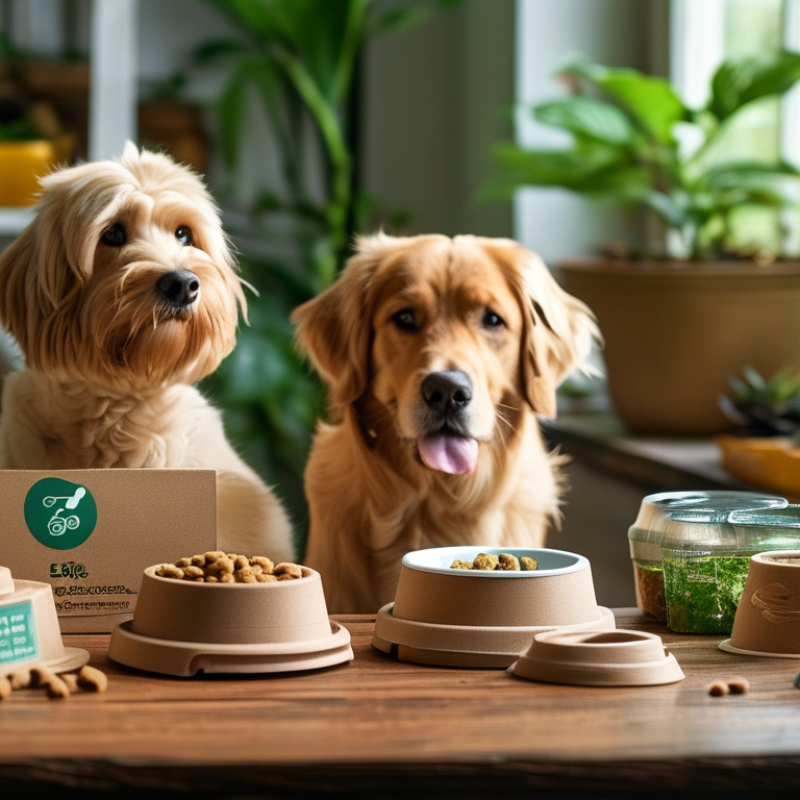
Understanding the environmental impact of pet food packaging is crucial. The packaging materials we choose can greatly affect the planet. Many pet food products use plastics that take hundreds of years to decompose. This creates a significant waste issue. Landfills are overflowing with non-biodegradable materials.
In addition, the production processes for some packaging can emit harmful greenhouse gases. It’s vital to consider recyclable and biodegradable options. Paper, cardboard, and plant-based materials often provide better alternatives. However, the reality is not all biodegradable packages break down effectively in every environment.
Consumer awareness plays a significant role in changing industry practices. Many companies still prioritize cost over sustainability. This raises questions about their commitment to the environment. By choosing eco-friendly packaging, pet owners can influence manufacturers. Every small decision can lead to larger impacts over time. Reflecting on our choices helps create a more sustainable future for our pets and the planet.
When choosing eco-friendly packaging for pet food, several materials stand out. Biodegradable plastics are popular. These materials break down naturally over time, reducing landfill waste. Made from plant-based sources, they can be a solid choice for conscious pet owners.
Another option is recycled cardboard. It’s lightweight and can be easily molded into various shapes. Many brands now use inks that are non-toxic and vegetable-based. However, it’s essential to ensure that the recycled content is sourced responsibly. Consumers should look for certifications that guarantee the material's eco-friendliness.
Lastly, compostable packaging is gaining traction. These packages decompose in composting conditions, returning nutrients to the soil. However, some consumers may find it challenging to access proper compost facilities. Transitioning to eco-friendly solutions requires thoughtful consideration and awareness of local waste management systems.
Choosing eco-friendly packaging for pet food requires careful thought. The materials used are crucial. Consider biodegradable options like plant-based plastics or paper. They can break down over time, reducing landfill waste. Recycled materials also create a lower carbon footprint. Look for certifications that guarantee sustainability.
Another critical factor is the packaging's functionality. It must protect the food from moisture and pests. Resealable bags are ideal, allowing easier use while maintaining freshness. The size of the packaging matters too. Oversized packages can lead to more waste. Opt for sizes that match consumption rates.
End-user feedback can provide insight into packaging effectiveness. Listening to customers can highlight areas for improvement. Engage with pet owners to understand their preferences. This process may reveal challenges in usability, like difficulty in opening. Regular reflection on these aspects can nurture continuous improvement.
| Factor | Description | Examples |
|---|---|---|
| Material | Choose renewable or recycled materials that minimize environmental impact. | Bioplastics, recycled paper, kraft paper |
| Size Optimization | Select packaging that is appropriately sized to reduce waste and material usage. | Custom-sized bags, compact boxes |
| Recyclability | Ensure that the packaging is recyclable in most communities to promote recycling. | Cardboard, glass containers |
| Biodegradability | Select materials that will break down naturally and reduce landfill impact. | Plant-based biodegradable bags |
| Certifications | Look for certifications that verify the sustainability of packaging materials. | FSC, compostable certifications |
| Supply Chain Impact | Consider the carbon footprint of packaging production and transportation. | Locally sourced materials |
Choosing eco-friendly packaging for pet food can seem daunting. Evaluating cost-effectiveness is crucial. The global market for sustainable packaging is projected to reach $500 billion by 2027, according to a report by Smithers Pira. This reflects a shift in consumer preferences toward greener options. However, the initial cost of sustainable materials can be higher than traditional options.
One study highlighted that biodegradable packaging may incur a 10-20% increase in costs. Yet, many companies find long-term savings through brand loyalty and reduced waste management expenses. For instance, using plant-based materials can lower landfill taxes and recycling costs. The decision is often not clear-cut. Some eco-friendly solutions require advanced technology that may not yet be widely accessible.
A reflection on sustainability must address the environmental impact over time. Although upfront costs may deter some businesses, the benefits of appealing to eco-conscious consumers can outweigh these initial investments. Understanding the balance between cost and environmental responsibility is key. The data suggests that while eco-friendly options may not always seem financially viable at first, they may lead to significant savings and a stronger brand reputation in the future.
Selecting eco-friendly packaging for pet food involves thoughtful consideration of sustainability. Many materials claim to be green, but understanding their impact is essential. Compostable bags can be a great choice, yet not all are biodegradable. Research the certifications on packaging to ensure they are genuine.
Tips: Look for packaging made from recycled materials. This reduces the need for new resources. Always check if the packaging can be reused or repurposed. Small changes can lead to significant improvements.
Consider the sourcing of your packaging materials. Local suppliers can reduce your carbon footprint. However, not all local products are sustainable. Evaluate the entire supply chain's environmental practices. Making informed choices is critical for truly sustainable packaging. Reflect on your decisions and the impact on the planet.
: Biodegradable plastics break down naturally over time, reducing landfill waste. They are often made from plant-based sources.
Recycled cardboard is lightweight and moldable. Ensure it has non-toxic inks and responsible recycled content for eco-friendliness.
Compostable packaging decomposes in composting conditions. It returns nutrients to the soil, benefiting the environment when properly managed.
Always check for certifications on the packaging. They show the material is genuinely eco-friendly and responsibly sourced.
Consider materials made from recycled sources. They reduce demand for new resources and encourage a circular economy.
Sourcing packaging locally can lower carbon footprints. However, check if local products are truly sustainable and eco-friendly.
Not all compostable bags are biodegradable. Research is necessary to ensure that the certifications are valid and trustworthy.
Look for packaging that can be reused or repurposed. Every small decision contributes to larger sustainability efforts.
Reflect on your local waste management options. Limited access to composting facilities can complicate compostable packaging use.
Assess the entire supply chain. Consider the sustainability and ecological impact of each supplier's practices to make informed choices.
In the quest to determine "How to select sustainable packaging for pet food?", it's essential to first understand the environmental impact of traditional pet food packaging. This overview helps highlight the importance of transitioning to eco-friendly alternatives, which can include materials like biodegradable plastics, recycled paper, and compostable films.
When choosing sustainable options, factors such as material source, recyclability, and the packaging’s life cycle need careful consideration. Additionally, evaluating the cost-effectiveness of these eco-friendly solutions is crucial, as it ensures that both the environment and your budget are taken into account. Implementing best practices for sustainable packaging can lead to significant positive changes in reducing waste and promoting a greener future for the pet food industry.

Pdara Pet