Homemade meals for dogs and cats can greatly enhance their health and happiness. However, many pet owners struggle with balancing these meals. It's crucial to understand the nutritional needs of pets. Dogs and cats require a mix of proteins, fats, vitamins, and minerals in their diet. This ensures they thrive and maintain optimal health.
So, how to balance homemade meals for dogs and cats? Begin by considering their age, weight, and activity level. Each pet is unique, and their dietary needs vary. Consult with a veterinarian for tailored advice. This step is vital to avoid nutritional imbalances.
Creating balanced meals requires careful planning and knowledge. It's easy to overlook essential nutrients. Many well-intentioned pet owners unknowingly provide unbalanced diets. By educating yourself, you can prevent this. Spend time researching and experimenting with different recipes. Strive for variety, but stay within nutritional guidelines. Understanding your pet's needs fosters a healthier lifestyle for them.
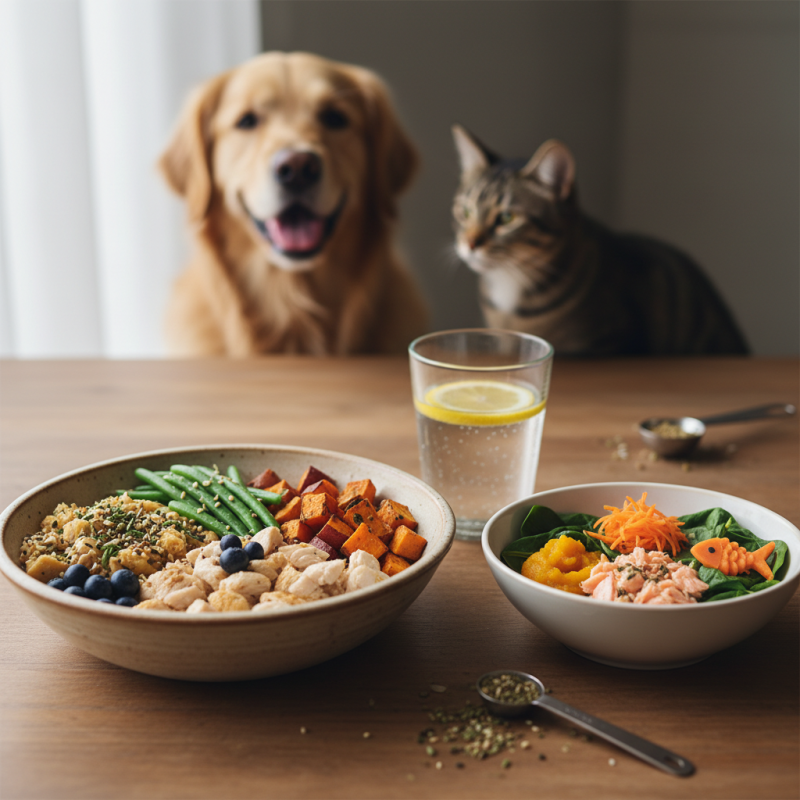
Importance of a Balanced Diet for Pets
A balanced diet is crucial for pets, just as it is for humans. According to the Association of American Feed Control Officials (AAFCO), pets require specific nutrients to thrive. Dogs and cats need proteins, fats, carbohydrates, vitamins, and minerals. Missing any of these can lead to serious health issues.
Research shows that nearly 50% of pet owners believe homemade meals provide balanced nutrition. However, only 15% accurately understand what their pets need. This gap often leads to deficiencies or excesses. For example, a common mistake is underestimating calcium requirements for puppies and kittens. This can stunt their growth and lead to skeletal problems later in life.
Moreover, pet obesity is on the rise, with 60% of dogs and 56% of cats classified as overweight or obese, according to the Association for Pet Obesity Prevention. A diet lacking in essential vitamins can exacerbate this issue. Quality control is vital. Preparing homemade meals without proper knowledge can unintentionally cause harm. There’s a constant need to educate pet owners. Balancing homemade meals requires attention to detail and understanding of pet nutrition.
Key Nutrients Required for Dogs and Cats
Feeding your pets balanced homemade meals is crucial for their health. Dogs and cats require specific nutrients to thrive. The Association of American Feed Control Officials (AAFCO) outlines essential nutrients like proteins, fats, vitamins, and minerals. Research indicates that dogs need about 18-25% protein, while cats require even higher levels at 26-30%. These figures emphasize the importance of understanding your pet's dietary needs.
To ensure a balanced diet, include various protein sources like meat, fish, and eggs. Healthy fats from fish oil and flaxseed are also vital. Vitamins A, D, E, and various B vitamins contribute to overall health. Minerals, especially calcium and phosphorus, support strong bones. A study by the Journal of Animal Science highlights that nutrient deficiencies can lead to serious health issues, such as poor coat quality and weakened immune systems.
Tip: When preparing meals, avoid common pitfalls like overcooking vegetables. It can destroy valuable nutrients. Another tip is to incorporate fresh herbs, such as parsley, which can aid digestion. Regularly consulting with a veterinarian ensures your recipes meet all nutritional needs. Balancing meals is an ongoing journey. Adjustments may be necessary based on age, activity level, or health conditions. Keep observing your pets' reactions to their meals and be willing to modify accordingly. Each pet's nutritional needs can differ significantly.
Common Homemade Meal Ingredients and Their Benefits
When it comes to homemade meals for pets, choosing the right ingredients is key. Fresh vegetables, like carrots and peas, can offer essential vitamins. For instance, carrots are rich in beta-carotene, which promotes eye health. Cats and dogs can benefit from this nutrient-rich food. Using ingredients like sweet potatoes or brown rice provides extra fiber. This aids digestion and helps maintain a healthy weight.
Adding protein sources is paramount too. Lean meats such as chicken or fish offer vital amino acids. These contribute to muscle development and energy. Incorporating eggs can also be beneficial. They are packed with protein and can help with coat health. Occasionally, it’s good to include fish oil. This can support healthy skin and glossy fur, but be cautious about the quantities. Overfeeding can lead to undesirable weight gain.
It's essential to reflect on the potential pitfalls as well. Some ingredients like onions and garlic are harmful to pets. Always be aware of allergies or sensitivities your pets might have. Consulting a veterinarian before making significant changes is wise. Homemade meals can be rewarding but pose challenges that require careful planning and research. Balancing nutrients is crucial to ensure your pet's health.
Potential Risks of Imbalanced Homemade Pet Diets
Homemade meals for pets can be appealing. You control the ingredients and avoid fillers. However, many pet owners overlook the essential nutrients their animals need. Without careful planning, homemade diets can lead to imbalances.
An imbalanced diet may cause health issues. For instance, a lack of calcium can lead to bone problems in dogs. Cats that don’t receive enough taurine may develop heart issues over time. These deficiencies are serious. Pets require a precise balance of proteins, fats, vitamins, and minerals to thrive.
Some pet owners might think they’re doing a good job by adding fruits and vegetables. Unfortunately, not all plants are safe for pets. Some can be toxic. It's crucial to research safe options. Consult with a veterinarian for guidance. Regular check-ups can help identify any emerging health issues early. A well-balanced diet is vital for your pets' long-term well-being.
Tips for Ensuring Nutritional Balance in Pet Meals
Creating balanced homemade meals for your pets can be rewarding but challenging.
Proper nutrition ensures that dogs and cats receive essential vitamins, minerals, and proteins.
However, many pet owners struggle with finding the right balance. It's vital to research pet dietary needs based on age, size, and health.
Consulting with a veterinarian before making changes can provide personalized guidance tailored to your pet's requirements.
When preparing meals, focus on incorporating a variety of food groups.
Proteins, such as lean meats, are essential.
Add vegetables for fiber and vitamins, but remember not all veggies are safe.
Quinoa or brown rice can serve as excellent sources of carbohydrates.
Additionally, using a pet supplement can help fill nutritional gaps.
Do keep in mind that too much of certain ingredients might lead to health issues.
Monitoring your pets' reactions to new meals is crucial for making adjustments.
Don't overlook the importance of portion sizes.
Overfeeding can lead to obesity, which many pets face today.
Preparing smaller, balanced meals may be more beneficial.
Regularly reviewing your recipes can encourage improvements.
It’s okay to admit mistakes while learning the best ways to nourish your furry friends.
Balancing homemade meals for pets is a journey, and each meal is a step toward better health.
FAQS
: A balanced diet is crucial for pets' health. Missing key nutrients can lead to serious health issues.
Pets require proteins, fats, carbohydrates, vitamins, and minerals to thrive. Each has a unique role for health.
Many owners believe homemade meals are balanced, but most lack knowledge. This often leads to deficiencies or excesses.
A common mistake is underestimating calcium needs for young pets. This can cause growth issues and later skeletal problems.
Overweight pets may struggle with mobility and have lower energy levels. This can also lead to serious health concerns.
Use various protein sources and consult a veterinarian. Regular adjustments may be necessary based on their health and age.
Fresh vegetables like carrots and peas add essential vitamins. Lean meats and eggs provide vital amino acids and support overall health.
Avoid harmful ingredients like onions and garlic. Also, overcooking veggies can destroy their nutrients. Always be aware of allergies.
Observe your pet's reactions to meals. Be willing to adjust based on their health and activity levels to ensure proper nutrition.
Consulting with a veterinarian is wise. They can help address any concerns and guide your pet's dietary needs effectively.
Conclusion
The article "Why Balance Homemade Meals for Your Dogs and Cats?" emphasizes the significance of providing a well-rounded diet for pets. A balanced diet is crucial for maintaining good health and preventing nutritional deficiencies. Key nutrients required for dogs and cats include proteins, fats, carbohydrates, vitamins, and minerals. Incorporating common homemade meal ingredients like lean meats, vegetables, and grains can offer numerous benefits, such as improved digestion and increased energy levels.
However, pet owners must also be aware of the potential risks associated with imbalanced homemade diets, which can lead to serious health issues. To address the question of how to balance homemade meals for dogs and cats, it’s essential to consult with a veterinarian or pet nutritionist. Additionally, following dietary guidelines and monitoring your pet’s health can help ensure that their meals are nutritionally balanced and supportive of their overall well-being.

 Pdara Pet