7 Best Ways to Source Eco Friendly Pet Food?

Time:2026-11-03 Author:Henry
0%

Choosing sustainable pet food can feel simple at the shelf. Then you notice vague labels, shiny packaging, and claims that are hard to verify. The choices matter because ingredients, production, transport, and packaging all shape a product’s environmental footprint. Yet “eco-friendly” does not automatically mean nutritionally complete or right for your pet. Your pet’s health comes first.

Conservationist and animal-behavior expert Dr. Jane Goodall has said, “What you do makes a difference, and you have to decide what kind of difference you want to make.” That idea offers a useful starting point for asking, “How to ensure eco-friendly pet food consumption?” Look for transparent sourcing and clear nutritional information. Check whether a brand explains its packaging and environmental claims. Ask your veterinarian before changing foods, especially if your pet has health needs. Small steps count.

This guide explores seven practical ways to source more responsibly, from evaluating ingredient origins to comparing packaging and local availability. It also leaves room for an uncomfortable truth: no food choice is impact-free, and a label alone cannot prove sustainability. A careful comparison is better than a perfect-sounding promise.
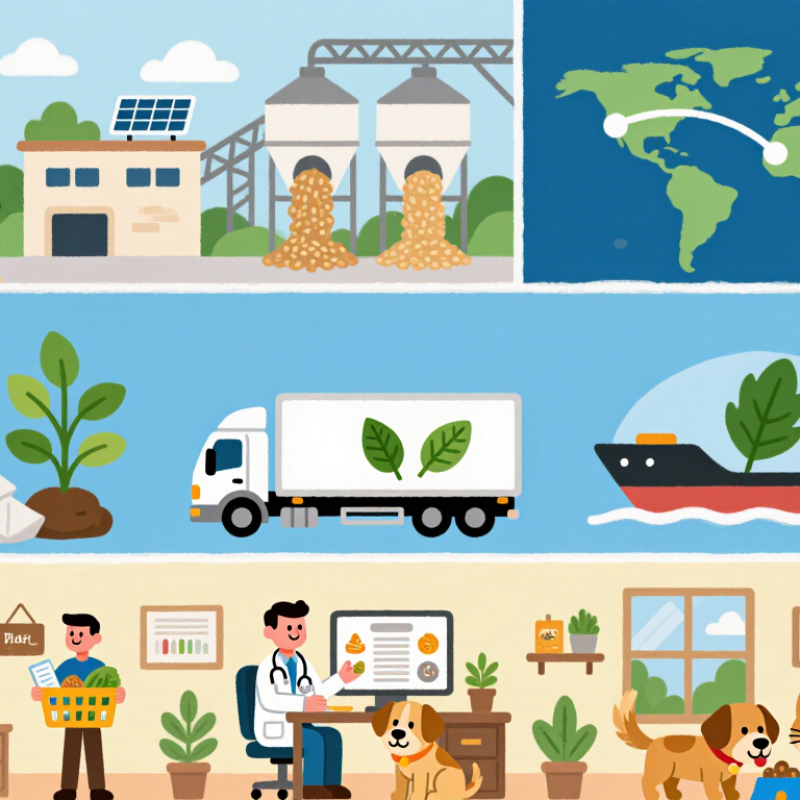
7 Best Ways to Source Eco Friendly Pet Food?

Understanding What Makes Pet Food Eco-Friendly

Eco-friendly pet food is not defined by one ingredient or a green-looking package. It depends on how ingredients are produced, processed, transported, and packed. A useful label should identify ingredient sources and provide clear nutritional information. Vague claims such as “natural” do not explain a product’s environmental impact.

Look closely at the protein source. Some foods use responsibly sourced fish, animal by-products, or plant proteins, each with different impacts and nutritional considerations. Ask whether the manufacturer can explain where key ingredients come from and how they are produced. Details matter. A nearby ingredient may still have a high footprint if production uses substantial energy or water.

Packaging is another clue, but not the whole story. Check whether the container’s material is accepted by recycling programs in your area; a recyclable symbol alone may not mean local facilities can process it. Consider the food’s shelf life and storage needs, too. Less spoilage can prevent waste. Most importantly, choose a complete, balanced diet suited to your pet’s age and health, with veterinary guidance when needed. I find these comparisons imperfect: companies may not publish full supply-chain data, and a single “best” choice rarely fits every pet. Look for specific, verifiable information rather than promises.

Understanding What Makes Pet Food Eco-Friendly

Ingredient choice matters: greenhouse gas emissions can vary substantially between protein sources.

Beef and lamb have higher average emissions than pork, poultry, and tofu in this comparison. When evaluating pet food, consider the ingredients’ sourcing and processing as well as the complete product’s nutritional suitability for your pet.

Values are global-average supply-chain greenhouse gas emissions, in kg CO₂e per 100 g of protein—not measurements of complete pet foods. Source: Poore & Nemecek (2018), “Reducing food’s environmental impacts through producers and consumers,” Science; data presented by Our World in Data.

Check Ingredient Sourcing and Sustainability Certifications

Ingredient sourcing is more than a “natural” label. Check whether the producer names ingredient origins, farming or fishing methods, and supply-chain traceability. The FAO’s 2013 report estimated that livestock supply chains caused 14.5% of human-induced greenhouse gas emissions worldwide. That figure covers livestock broadly, not pet food alone, but it shows why protein sourcing matters. For seafood recipes, the FAO’s 2022 fisheries report found that 35% of assessed marine fish stocks were overfished in 2020. Look for disclosed catch areas and fishing methods, not just “fish” on the ingredient list.

Traceability matters. Certifications can offer useful checks: standards such as MSC cover wild-caught seafood, while ASC focuses on farmed aquatic foods. Verify that the specific ingredient and supply chain are covered; a logo may not apply to every component. Ask whether the supplier publishes audit details, ingredient origins, and policies for by-products. I would treat certification as evidence, not proof of low impact. Standards differ, and sourcing information can still be frustratingly vague. If a company cannot explain where a key ingredient comes from, that uncertainty is worth weighing before you buy.

Explore Local Producers, Co-ops, and Responsible Pet Stores

Local pet-food producers can make sourcing easier to inspect. Ask where the meat, grains, and vegetables come from, and whether suppliers change with the season. A producer who explains ingredient origins and handling practices offers more useful evidence than a rustic label. Visit a nearby market or production site when possible. Notice refrigeration, clean work areas, and clear batch dates. Small-scale does not automatically mean sustainable. Transport distance, packaging, and animal-raising methods still matter. Ask what the label leaves out. Some answers may be incomplete, and that is worth noting.

Food co-ops can help shoppers compare options without relying on sales language. Staff may know which products disclose sourcing, use recyclable packaging, or offer suitable portions. Check the full ingredient panel and feeding guidance, and confirm that the food suits your pet’s life stage. Change diets gradually, especially for pets with health concerns; consult a veterinarian when needed. Responsible pet stores should answer questions plainly and store food away from damp floors and heat. Look for intact seals, legible dates, and clean shelves. Talk to staff. Their answers may vary. Record what you learn and compare specific product details instead of assuming local or natural always means better.

Compare Online Retailers, Subscription Services, and Bulk Options

Online retailers make it easy to compare ingredient lists, package sizes, and delivery costs side by side. Look beyond phrases such as “natural” or “eco-friendly”; they do not explain a product’s full environmental impact. Check whether the seller provides clear sourcing details and whether the food is complete and balanced for your pet’s life stage. If the information is vague, ask the seller or manufacturer. That extra step can be inconvenient.

Subscription services suit households with steady feeding routines. Choose a delivery interval that matches how quickly your pet finishes a bag, then check whether you can pause or change shipments. A box arriving every month sounds convenient, but an appetite change can leave food unused. Compare the final cost, including shipping, and inspect packaging when it arrives. Damaged seals or poor storage conditions are reasons to contact the seller.

Bulk options may reduce the cost per serving and the number of separate deliveries. Still, a large bag is not a saving if it goes stale before your pet finishes it. Keep dry food in its original bag, sealed inside a clean, airtight container, and note the opening date. For a one-pet home, buying a smaller size may create more packaging, yet waste less food. The better choice depends on your storage space, delivery access, and your pet’s actual eating habits.

7 Best Ways to Source Eco Friendly Pet Food? — Compare Online Retailers, Subscription Services, and Bulk Options
Sourcing Method What to Compare Potential Sustainability Signals Main Advantages Trade-Offs to Consider Best For
Online pet-food retailers Ingredient and nutrition information, package size, delivery options, shipping fees, and return policies. Clear ingredient sourcing details; packaging material information; options to consolidate orders into fewer deliveries. Wide selection makes it easier to compare formulations, bag sizes, and product information in one place. Shipping adds transport and packaging. Recycling depends on local facilities, so check what materials your community accepts. Shoppers comparing several food types or looking for specific ingredients and package sizes.
Subscription services Delivery frequency, cancellation and pause policies, shipment size, packaging, and the ability to change quantities. Adjustable schedules can help avoid emergency trips and unnecessary deliveries; consolidated shipments may reduce repeated packaging. Convenient, predictable replenishment can help maintain a steady supply of a food your pet already tolerates. Automatic deliveries can lead to excess food if portions or schedules are not reviewed. Subscriptions do not automatically mean lower environmental impact. Households that buy the same food regularly and can accurately estimate how quickly they use it.
Bulk buying through a cooperative or buying group Minimum order size, price per unit, group delivery arrangements, storage needs, and product turnover. Combining orders can reduce separate trips or shipments; larger formats may use less packaging per unit of food. Can lower the unit price and make larger sizes available to buyers who otherwise have limited local options. Large quantities require suitable storage and quick enough use. Poor storage or buying more than needed can lead to waste. Multiple pet households or groups able to share a planned order and store food properly.
Local independent pet stores Available food formats, ingredient and nutrition details, package take-back options, and whether orders can be combined with regular visits. Nearby shopping may avoid individual parcel deliveries; some stores can order specific sizes or explain packaging disposal options. Staff may help compare products in person, and local purchasing can support nearby businesses. Selection may be narrower, and a local store is not automatically lower-impact if it requires a special car trip. Shoppers who can combine pet-food purchases with existing errands and prefer in-person advice.
Veterinary clinics Whether the food meets a diagnosed medical need, feeding guidance, package size, and options for consistent replenishment. Choosing an appropriate diet can help avoid unsuitable purchases and food waste; ask about packaging and delivery arrangements. Useful when a pet needs a therapeutic diet or professional guidance on nutrition and feeding. Availability and prices vary. Environmental preferences should not replace veterinary advice when a medical diet is needed. Pets with health conditions or dietary needs that require veterinary guidance.
Refill or low-waste shops Food-specific hygiene practices, storage conditions, ingredient and nutrition labeling, container requirements, and local regulations. Reusable containers may reduce single-use packaging when a shop offers a safe, suitable refill system. Can help reduce packaging for products sold through a properly managed refill system. Not every shop carries complete pet foods, and loose products must still have clear labeling and appropriate handling. Confirm suitability with your veterinarian if needed. Shoppers whose local shop offers clearly labeled pet food and a hygienic refill process.
Regional food makers or farm-linked suppliers Complete-and-balanced nutrition statement, ingredient origins, processing details, delivery distance, and packaging. Transparent sourcing and shorter transport routes may be relevant signals, but distance alone does not establish a smaller overall footprint. May offer clearer information about ingredient origins and a direct way to ask questions about sourcing. Check that the food is nutritionally appropriate for your pet and that claims are specific and verifiable; availability can be limited. Shoppers who value ingredient traceability and can verify nutritional adequacy and sourcing claims.

Evaluate Packaging, Delivery, and Your Pet’s Nutritional Needs

Choosing eco-friendly pet food takes more than reading a green label. Check locally. A recycling symbol does not guarantee curbside acceptance; confirm what your local program takes. Prefer right-sized bags, recycled or recyclable materials, and clear disposal instructions. For wet food, cans may be accepted in many areas, while pouches and package liners can be harder to recycle. Small print matters.

Delivery choices affect waste, too. Ordering enough food for several weeks may reduce repeat trips and shipping materials, provided you can store it safely. Set delivery intervals according to how quickly your pet actually eats. A large bag left open can lose freshness, so keep it sealed in a cool, dry place. A subscription may be convenient, but changing appetite or feeding needs can leave you with unused food.

Nutrition stays central. Look for a complete-and-balanced statement that matches your pet’s life stage. Compare feeding directions with your veterinarian’s advice, especially if your pet has a health condition. Ingredient lists alone cannot establish a food’s nutritional quality or environmental impact. When changing foods, transition gradually and watch your pet’s appetite, stool, and energy. There may be no perfect package; local recycling access and your pet’s tolerance can change which choice makes sense.

FAQS

What makes pet food eco-friendly?

Its impact depends on sourcing, processing, transport, and packaging—not just a green-looking label. No single choice suits every pet.

How can I check ingredient sourcing?

Ask where the meat, grains, and vegetables come from. Clear answers help, though supply-chain details may still be incomplete.

Does locally made food always have a lower footprint?

Not always. Nearby ingredients can require substantial water or energy, and transport is only one part of the picture.

Does a recycling symbol mean the package can be recycled?

Check whether local facilities accept that material. Also consider shelf life and storage, since spoiled food creates waste.

What should I inspect when buying food in a store?

Check for intact seals, legible dates, clean shelves, and storage away from heat and damp floors. Details matter.

How should I compare online sellers?

Compare ingredient lists, sourcing details, package sizes, and delivery costs. Vague claims may need a follow-up question.

Can a subscription help reduce waste?

It can if deliveries match your pet’s eating routine and shipments can be paused. Appetite changes may leave food unused.

Is buying pet food in bulk a good idea?

Buy larger bags only if your pet can finish them while fresh. Keep food in its original bag inside an airtight container, and note the opening date.

How do I know if a food suits my pet?

Check that it is complete and balanced for your pet’s life stage. Change diets gradually, and ask a veterinarian about health concerns.

Conclusion

Choosing eco-friendly pet food starts with understanding its full impact, including where ingredients come from, how they are produced, and whether the food meets your pet’s nutritional needs. Look for clear sourcing information and credible sustainability certifications, while considering options that use responsibly raised, lower-impact, or locally available ingredients. Local producers, co-ops, and responsible pet stores can offer useful details about freshness, sourcing, and production practices.

Compare online retailers, subscription services, and bulk purchasing to find an option that balances convenience with minimal waste. Check whether packaging is recyclable or made with fewer materials, and consider how delivery distances and shipping methods affect the product’s footprint. How to ensure eco-friendly pet food consumption? Choose food that is nutritionally appropriate for your pet, buy quantities you can use before they expire, and review ingredient and packaging information regularly. Small, informed choices can make everyday feeding more sustainable without compromising your pet’s well-being.

Henry

Henry

Henry is a dedicated marketing professional with a profound expertise in the company's offerings. With years of experience in the industry, he possesses an impressive understanding of the market dynamics and consumer behaviors that drive success. Henry is committed to sharing his insights through......